

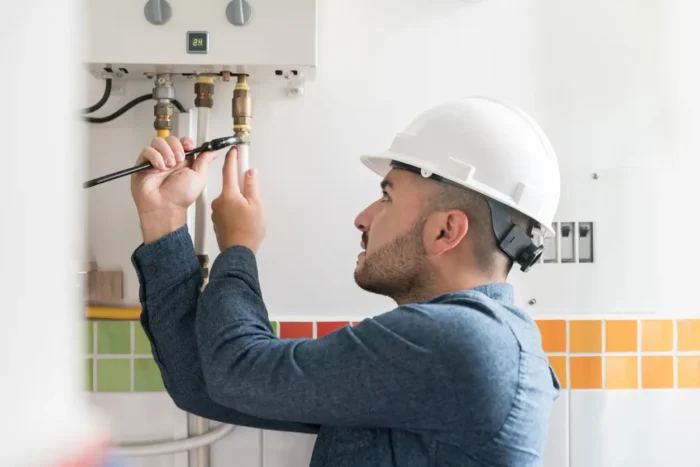
Upgrading your hot water system is a very beneficial and smart investment and that’s why learning about how to install tankless water heaters improves efficiency and saves money. One of the biggest reasons is that tankless water heaters deliver hot water on demand, reduce energy consumption and take less space as compared to traditional tanks.
In this comprehensive guide from MileHi HVAC we will walk you through everything you need to know. After that you can confidently handle your project and take good actions.
Why to choose a tankless water heater
So before diving into knowing about how to install a tankless water heater first learn about why you have to choose this option.
- Energy efficiency and lower utility bills
- Endless hot water supply
- Compact and save saving design
- Have longer lifespan as compared to tank heaters
So complete understanding about the system is very important whether you are planning tankless water heater installation or new home or upgrading to a new system.
Required tools and materials
One of the most crucial things to remember is that proper preparation is a key for successful tankless hot water heater installation. You must have following things like:
- Pipe wrench and adjustable wrench
- Screwdrivers
- Drill and mounting hardware
- Copper pipes or flexible water lines
- Gas line (for gas units)
- Electrical wiring (for electric units)
- Venting kit (for gas heaters)
- Teflon tape and fittings
Having everything ready and on time makes your tankless water heater installation smoother and more efficient.
Step-by-Step Guide: How to Install Tankless Water Heater
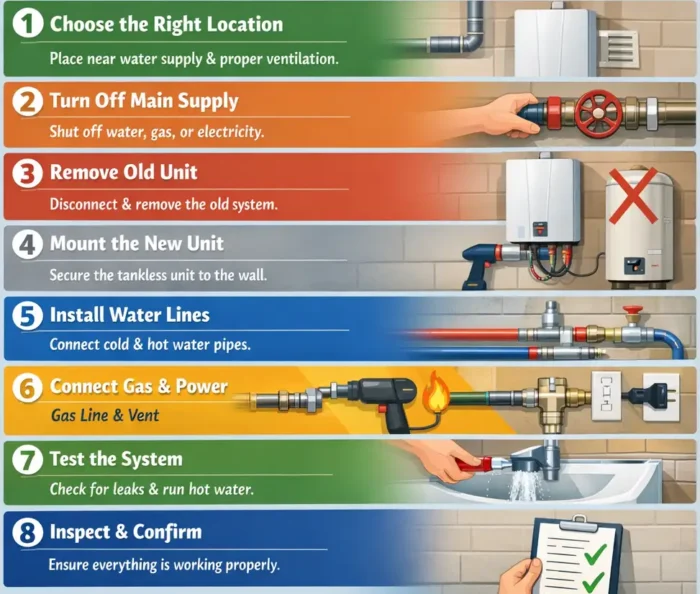
Step1 Choosing a right location
The very first step is selecting the most ideal location. Consider these following things like:
- Easy access for maintenance
- Having proper ventilation especially for gas models
- Install closely with the water usage points
- Ensure proper access to gas or power supply
Ventilation is very critical in case of tankless gas water heater installation. However, electrical tankless water heater installation requires sufficient electrical capacity.
Step2 Turn off utilities
Another factor is that safety comes first.
- Turn off the main water supply
- Switch off electricity at breaker
- Shut off gas supply
This is one of the most essential steps before starting any tankless hot water heater installation for avoiding any complications.
Step3 Remove the old water heater
If you are replacing the existing unit then:
- Drain the old tank
- Disconnect water lines
- Remove the gas and electrical connections
- Carefully remove the old unit
Clearing space ensures that your tankless water heater installation is hassle free.
Step 4 Mount the tankless unit
One other thing about tankless water heaters is that they are typically well mounted.
- Use a drill to secure mounting brackets
- Ensure the unit is level and stable
- Follow manufacturer spacing guidelines
This thing should not be ignored as proper mounting is crucial for both the tankless gas water heater installation and electric tankless water heater installation.
Step5 Installing water connections
After above all these steps connect the water supply lines:
- Attach cold water inlet
- Connect the hot water outlet
- For safety use the tapes for any leakages
This step is also a core part of how to install a tankless water heater as it ensures smooth flow of water throughout the home.
Step6 Connect Gas or Electrical Supply
For Gas Units
- Install a gas line connection
- Ensure the proper pressure levels
- Add a shut off valve
Tankless gas water heater installation is a very critical stage and in this case professional assistance is always recommended.
For Electric Units
- Connect to electrical panel
- Select correct voltage
- Install dedicated circuits if required
In case of electric units proper wiring is essential for electric tankless water heater installation.
Step 7 Install a venting system
As gas heaters require proper ventilation so:
- Install the exhaust vent pipes
- Follow the local building codes
This is the most vital step for safe tankless hot water heater installation and prevents harmful gas buildup.
Step 8 Test the system
Once you have followed all the steps then check these:
- Turn on the water supply
- Restore power and gas
- Test hot water flow
- Check for any leakages
Testing is the best option that ensures that tankless water heater installation is working efficiently.
Read More: What Size Tankless Water Heater Do I Need?
DIY vs professional installation
Although DIY installation is possible, it is not always recommended.
DIY Pros
- Hands on experience
- Lower upfront cost
DIY Cons
- Safety concerns
- Risk of improper installation
- Possible warranty void
Hiring experts like Milehi HVAC ensures that your tankless water heater installation is done safely and efficiently.
Mistakes to Avoid for a Safe and Successful Installation
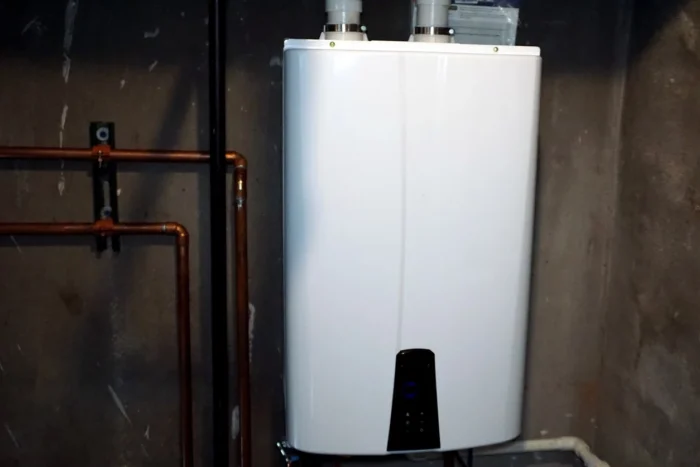
For keeping safety and efficient performance of the system , be careful of the following things.
- Selecting the wrong size of system
- Loose venting connections
- Improper ventilation system
- Not following manufacturers guidelines
- Incorrect gas and electrical connections
So avoiding these mistakes will result in successful tankless hot water heater installation and saves you from repairs and heavy costs.
Cost of tankless water heater installation
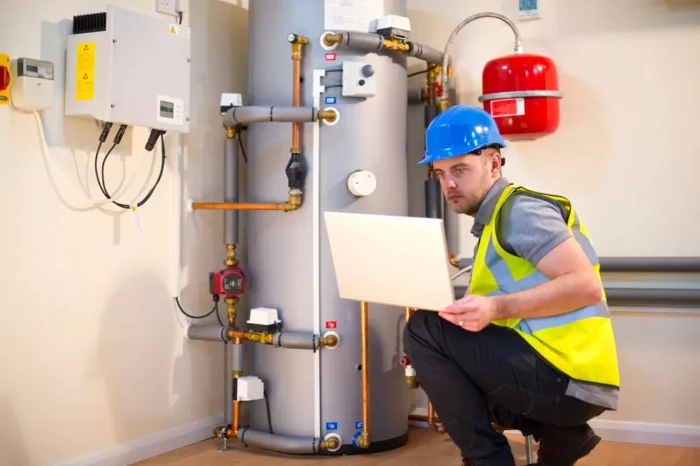
So the cost of tankless hot water heater installation depends upon a lot of factors like:
- Type of unit
- Labor costs
- Installation complexity
- Some other additional upgrades
So all the initial investment may be higher but in terms of long term energy savings it is worthwhile.
Key Differences Between Electric and Gas Tankless Water Heater Installation
One question homeowners ask constantly — is gas or electric easier to install? Honest answer: electric wins on simplicity every time. Gas gets you better long-term energy savings, but it comes with more steps, more checkpoints, and more surprises along the way.
Here’s how they actually compare side by side:
| Electric | Gas | |
| Install Time | Few hours, pretty straightforward | Longer process, more steps involved |
| Venting | None needed | Required — sometimes means cutting through walls |
| Hidden Costs | Rarely any surprises | Older gas lines often need upgrading first |
| Inspection | Simpler, fewer people involved | More checkpoints, stricter sign-off required |
| Main Requirement | Dedicated 240V circuit | Proper gas line sizing plus venting |
| Best For | Smaller homes, cleaner straightforward install | Larger households with an existing gas setup |
The biggest thing that catches people off guard with gas — your existing gas line was sized for a traditional tank heater, not a tankless unit. The BTU demand is completely different, and older lines usually can’t keep up without an upgrade. That upgrade costs money and adds time before installation even begins. Electric simply doesn’t have that problem.
That said, if your home already runs on gas and your household burns through hot water daily, gas makes sense in the long run. Lower monthly energy bills add up over time and offset the higher install cost.
But if your priority is getting it done quickly, cleanly, and without unexpected bills showing up mid-job — electric is the easier path. Pick based on your situation, not what sounds more impressive.
Before You Begin | Things to Consider
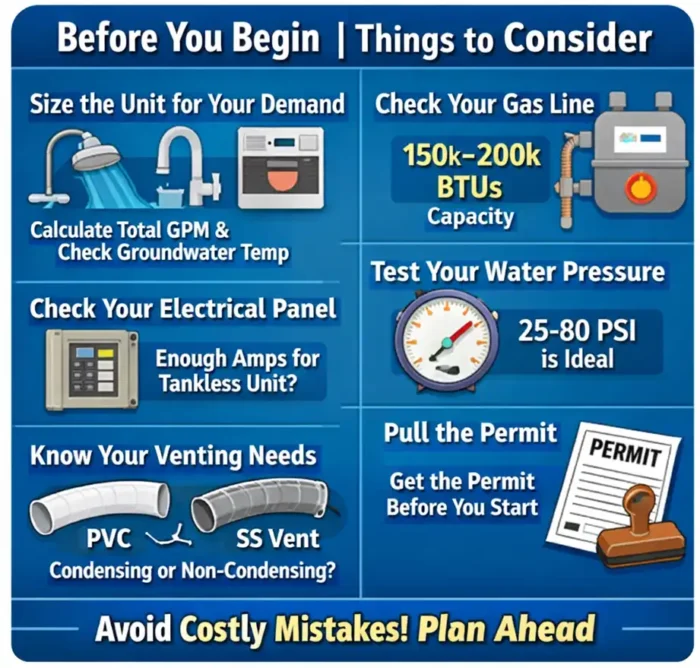
Most installation headaches don’t happen during the job — they happen because nobody checked these things beforehand. Run through this list before you buy anything.
Size the Unit for Your Actual Demand
This is the mistake people regret most. Don’t buy based on price alone — add up the flow rate of every fixture you might run simultaneously. A shower runs 1.5 to 2.5 GPM, a kitchen faucet around 1.5 GPM, a dishwasher about 1 GPM. Two showers plus a dishwasher puts you at 5 to 6 GPM minimum. Also consider your groundwater temperature — colder climates need a higher rated unit because the incoming water starts colder.
Check Your Gas Line Capacity
Tankless gas units demand 150,000 to 200,000 BTUs. Your existing line was probably sized for a traditional tank heater at 30,000 to 40,000 BTUs — a massive gap. Have a technician test actual gas pressure with a manometer before installation day. An undersized line causes short cycling, error codes, and a frustrating callback.
Check Your Electrical Panel
Whole-house electric tankless units can pull 150 to 200 amps at peak. If your home runs on 100-amp service, that’s a problem before installation even starts. Talk to an electrician first if your panel is already close to capacity.
Test Your Water Pressure
Too low and the flow sensor won’t activate. Too high and you risk leaks and heat exchanger damage. Most units need between 25 and 80 PSI. Grab an inexpensive pressure gauge from any hardware store and test at an outdoor spigot. Anything above 80 PSI means installing a pressure reducing valve first.
Know What Venting Your Home Can Handle
Condensing units vent through PVC — easy to run almost anywhere. Non-condensing units need stainless steel venting, which is harder to route. If your install spot is far from an exterior wall, a condensing model saves a lot of headache. Also check whether your existing vent is reusable — old B-vent flues don’t work with tankless units.
Pull the Permit
Don’t skip this. Most areas require a permit for water heater replacement, especially gas work. Beyond the safety inspection, an unpermitted installation will surface during a home sale and cost you far more to sort out than the permit ever would have.
Some maintenance tips after installation
For keeping your running smoothly follow these smart steps:
- Flush your unit annually
- Check for leaks and corrosion
- Clean filters regularly
- Scheduling professional maintenance
As proper care extends the life of tankless water heater installation.
Why to choose professionals like Milehi HVAC
At MileHi HVAC our team is specialized in:
- Expert tankless water heater installation
- Electric tankless water heart installation
- Safe and reliable tankless gas water heater installation
- Efficient electric tankless water heater installation
- Professional guidance and maintenance
Final Thoughts
Knowing about how to install a tankless water heater helps you in making informed decisions.This installation or upgrades requires some precision and safety awareness. Whether you choose DIY or professional tankless water heater installation near Dever from Milehi HVAC proper installation is very crucial for maximizing efficiency and optimal performance. As a well executed tankless water heater install delivers hot water,low energy costs and a friendly environment.
FAQS
Is installing a tankless water heater challenging?
In particular, for gas systems, it can be complicated. Professional knowledge is needed for many tankless water heater installation operations.
What is the duration of installation?
Tankless water heater installation typically takes four to eight hours.
Am I able to do it myself?
Electric water heaters can be installed do-it-yourself, while tankless gas water heaters should be installed by experts.
Do tankless systems require upkeep?
Indeed, maintaining durability and efficiency requires routine maintenance.
Is it worthwhile to purchase a tankless water heater?
Of course. Installation of tankless water heaters is a wise long-term investment due to its effectiveness, robustness and performance.