

If you want to cool your home without bulky ductwork, you likely want to know what is a mini split air conditioner. These systems offer a flexible way to control the temperature in specific rooms of your house.
This guide explains how these systems work and why they are popular today. You will learn about the different types and how they compare to traditional cooling methods like central air.
Understanding What Is a Mini Split Air Conditioner?
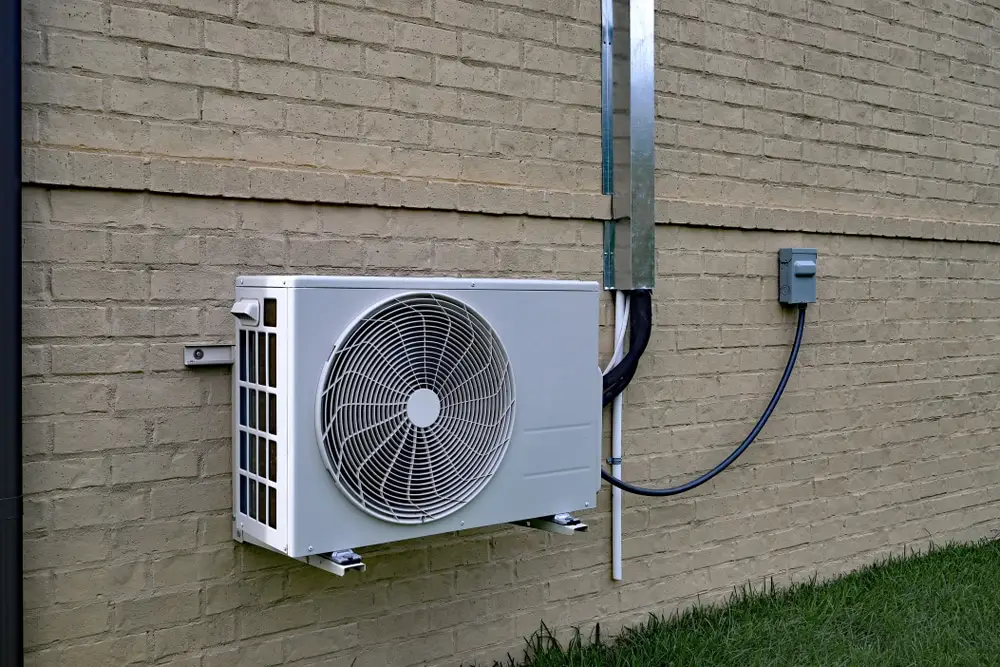
A mini split air conditioner is a ductless cooling and heating unit. It has two main components: an outdoor compressor and one or more indoor air handlers.
These two parts connect through a conduit. That conduit carries power lines, refrigerant tubing, and a drain line. The conduit needs only a 3-inch hole in your wall.
This makes mini splits perfect for:
Garages, sunrooms, home additions, older homes without ductwork, apartments, and server rooms.
The mini split ac works for both heating and cooling. Most models use heat pump technology. That means one system handles your comfort year-round.
How Does a Ductless Mini Split Air Conditioner System Work?
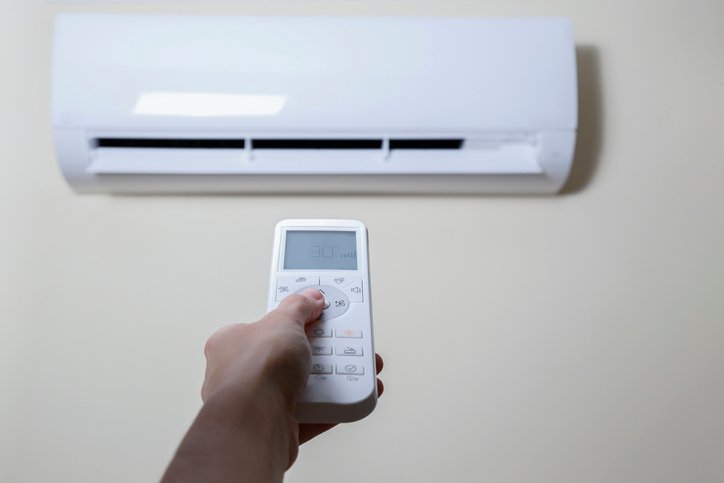
The science behind a mini split of air conditioner is simple. It moves heat rather than creating it.
Here is how the cooling cycle works:
The indoor unit pulls warm air from your room. The refrigerant inside absorbs that heat. The outdoor compressor sends the refrigerant outside. The outdoor unit releases the heat into the open air. Cool air blows back into your room.
For heating, the process reverses. The system pulls heat from outdoor air and brings it inside. This works even when temperatures drop to around 5°F, depending on the model.
The refrigerant is the key. It travels between indoor and outdoor units through copper tubing. The compressor controls the pressure and flow.
Most modern hvac split systems use inverter technology. This means the compressor adjusts its speed based on how much cooling or heating is needed. It does not just switch on and off. This is why mini splits are so energy efficient.
A traditional system runs at 100% capacity and cycles off when it hits your target temperature. An inverter mini split runs at 30%, 60%, or 80% as needed. That saves a significant amount of electricity.
Types of Mini-Splits
Not every home looks the same, so there are several styles of indoor units to choose from:
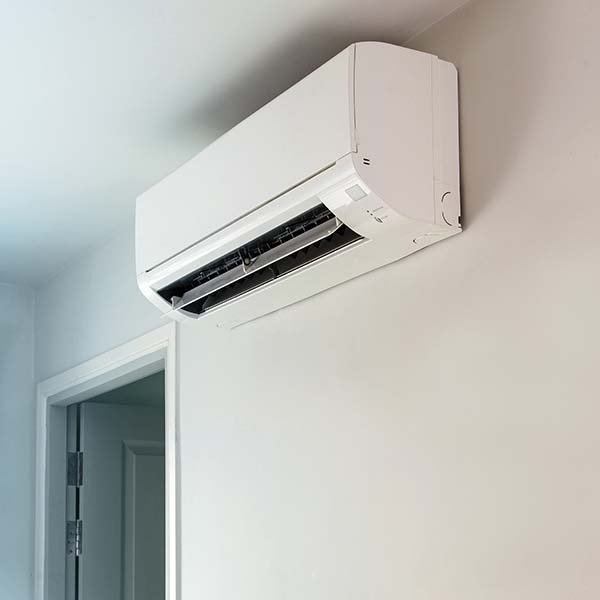
- Wall-Mounted: These are the most common. They sit high on a wall and distribute air evenly.
- Floor-Mounted: These work well if you have low ceilings or large windows. They sit near the floor like a radiator.
- Ceiling Cassette: These install inside the ceiling. Only the decorative grille shows, making them very discreet.
- Concealed Duct: These hide in a small crawlspace or attic. They use very short ducts to reach nearby vents.
What Is Mini Split AC’s Zone? Single- and Multi-Zone Systems
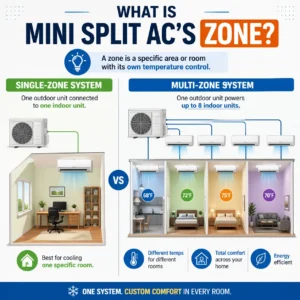
When asking what is a mini split ac system, you must understand “zones.” A zone is simply a specific area or room that has its own temperature control.
Single-Zone Systems
A single-zone system has one outdoor unit connected to one indoor unit. This is the best choice if you only need to cool one specific room, such as a home office or a master bedroom.
Multi-Zone Systems
A multi-zone system uses one powerful outdoor compressor to run up to eight indoor units. Each indoor unit has its own thermostat. This allows you to keep the kitchen cool while keeping a guest room warmer. It provides total comfort control across the entire home.
Read More: Are Inverter Air Conditioners Better?.
Pros of a Ductless Air Conditioner
Mini splits come with real advantages over traditional systems.
No Duct Losses
In homes with central air, up to 30% of cooled air leaks through duct cracks and seams before it reaches your room. Mini splits have no ducts. Every bit of cooled air goes directly to your space.
Quiet Operation
Indoor mini split units run at around 19 to 26 decibels. That is quieter than a whisper. Central air systems can hit 60 decibels or more.
Better Air Quality
Mini splits come with multi-stage filtration. They capture dust, pollen, bacteria, and other particles. This is a major benefit for people with allergies or asthma.
Easy Installation
A standard mini split installation takes one day. Central air installation in an older home can take several days and major renovation work.
Individual Room Control
You only cool or heat the rooms you are using. Empty rooms get no conditioning. This alone can cut your energy bill noticeably.
Works as Both Heater and AC
Most mini splits are heat pumps. One system handles your summer cooling and winter heating. You do not need separate units.
Energy Efficiency and Cost Savings
This is where mini splits truly stand out.
Mini splits have SEER (Seasonal Energy Efficiency Ratio) ratings between 15 and 30+. Central air systems typically rate between 13 and 21.
A higher SEER means lower electricity use for the same amount of cooling.
The U.S. Department of Energy reports that ductless systems can reduce energy use by 25 to 50% compared to electric resistance heating combined with window AC units.
Real-world example: A 1,500 sq ft Denver home switching from window units to a 3-zone mini split system can save $400 to $700 per year in energy costs, depending on usage patterns.
The upfront cost runs higher than a window unit. A single-zone system typically costs $1,500 to $4,000 installed. Multi-zone systems run $3,500 to $10,000+ depending on the number of zones and brand.
But factor in the energy savings and the added home value. Most homeowners break even within 3 to 5 years.
Many mini splits also qualify for federal tax credits and local utility rebates. In 2023, the Inflation Reduction Act introduced a 30% tax credit (up to $2,000) for qualifying heat pump systems. Check with your installer for current eligibility.
Mini Splits vs. Central Air Conditioning
This is one of the most common questions homeowners ask.
| Factor | Mini Split | Central Air |
| Ductwork needed | No | Yes |
| Installation time | 1 day | 3 to 5 days |
| Energy efficiency | Higher | Lower |
| Upfront cost | Moderate | High (for older homes) |
| Zone control | Yes | Limited |
| Noise level | Very low | Moderate |
| Air quality | Multi-stage filter | Depends on duct condition |
Central air wins if you already have ductwork in good condition. It is cheaper to maintain and familiar for most homeowners.
Mini splits win when there is no ductwork, or when you need room-by-room control. They also win for additions, garages, and spaces where running ducts is not practical.
For Denver homeowners in older or smaller homes, the hvac split system often makes more financial sense. MileHi HVAC offers ductless mini split replacement in Denver, CO for homeowners ready to upgrade from older, less efficient systems.
How to Choose the Right Mini Split Size
Sizing is critical. Too small, and the unit struggles to keep up. Too large, and it short-cycles, creating humidity problems.
General sizing guide:
A 6,000 BTU unit covers 150 to 250 sq ft. A 9,000 BTU unit covers 300 to 400 sq ft. A 12,000 BTU unit covers 450 to 550 sq ft. An 18,000 BTU unit covers 700 to 1,000 sq ft.
These are starting points. Your local climate, ceiling height, insulation quality, and window size all affect the right size.
Denver’s high altitude also plays a role. At 5,280 feet, outdoor units can lose some capacity compared to sea-level ratings. A qualified HVAC technician will do a Manual J load calculation to find the exact right size.
Never size by gut feel alone. Always get a professional assessment.
Common Mini Split Problems to Avoid
Even a good system can fail if installed or maintained poorly.
Wrong size: As mentioned, oversizing causes short-cycling and poor humidity control. Undersizing causes constant running and higher bills.
Poor installation location: Indoor units placed in corners or behind furniture restrict airflow. Place them where air can circulate freely.
Skipping maintenance: Clean your filters every 4 to 6 weeks. Dirty filters cut airflow and strain the compressor. Annual professional service keeps refrigerant levels correct and checks electrical connections.
DIY refrigerant work: Refrigerant handling requires EPA certification. Never attempt it yourself. Always hire a licensed technician.
Ignoring error codes: Modern mini splits display error codes on their remotes or panels. Look them up immediately rather than ignoring them.

Conclusion
A mini split air conditioner is one of the smartest comfort investments for homes without ductwork. It is efficient, quiet, flexible, and built for both heating and cooling. Whether you need one room cooled or your entire home zoned, there is a mini split system that fits your situation.
If you are in the Denver area and ready to explore your options, MileHi HVAC is here to help. We specialize in ductless mini split replacement in Denver, CO and can guide you from sizing to installation. Reach out to our team today and get a free assessment for your home.
Frequently Asked Questions
How long does a mini split last?
A well-maintained mini split lasts 15 to 20 years. Regular filter cleaning and annual profession al service are the key factors.
Can a mini split heat my home in Denver winters?
Yes. Most modern mini splits work down to -5°F to 5°F outdoor temperatures. Cold-climate models work down to -13°F. Denver winters are well within range for most units.
Do mini splits work without electricity?
No. Mini splits run entirely on electricity. They are not compatible with gas or propane systems.
How much does a mini split cost to run monthly?
This depends on the size of the unit and how many hours you run it. A 12,000 BTU mini split running 8 hours a day typically costs $30 to $60 per month in electricity, depending on your local utility rate.
Do I need permits for mini split installation in Denver?
Yes. Most Denver area installations require a mechanical permit. A licensed HVAC contractor like MileHi HVAC handles this process for you.
What is the difference between a mini split and a window AC?
A window AC sits in your window and only cools one room. A mini split mounts on your wall or ceiling, is quieter, more efficient, and can also provide heat. Mini splits do not block your window view.
Can I install a mini split myself?
The indoor mounting and some electrical work can be DIY. But refrigerant line connections and charging require EPA 608 certification. Most manufacturers void the warranty without professional installation.