

When summer comes you want to keep your home cool. So you start thinking about air conditioners. People ask, are inverter air conditioners better than the regular ones?
The simple answer is yes inverter air conditioners are better. Inverter air conditioners use energy make less noise, last longer and are good, for the environment compared to regular air conditioners. Inverter air conditioners may be more expensive when you buy them. You will save money on your electricity bills and you will not have to fix them as often which makes inverter air conditioners a good choice if you think about the long term.
What Is an Inverter Air Conditioner?
An inverter air conditioner uses a compressor that changes its speed to keep the room at the right temperature. This compressor does not turn on and, off all the time. Instead it runs slowly when the room does not need to be cooled
This technology gives you these benefits:
- energy consumption
- Consistent temperature control
- operation
- Less Tear
Some new inverter air conditioners even use dual inverter technology. This technology uses two compressors. It helps to save energy cool the room faster and make noise.
What Is a Regular Air Conditioner?
A regular air conditioner is also known as a -inverter air conditioner. It works with a compressor that runs at speed. The regular air conditioner turns on at power until the room gets to the temperature you want. Then it shuts off completely. When the room gets warm again the compressor in the air conditioner starts up again.
This can use a lot of electricity. Makes the temperature in the room go up and down. It also puts stress on the compressor in the regular air conditioner, which means you have to fix it more often and it does not last as long.
Efficiency Comparison
When you compare air conditioners to regular air conditioners one big difference is how much energy they use.
Inverter air conditioners use energy, up to 30 to 50 percent less. This is because they can change how fast the compressor runs based on how cooling you need. Regular air conditioners use power because the compressor always runs at full speed. If you want an energy- air conditioner in Denver you should choose an inverter system from MileHi HVAC.
Temperature Control and Comfort
Inverter air conditioners keep the room at a temperature. The compressor never completely stops it just runs slower when it is not as hot. This keeps you comfortable. The temperature does not go up and down.
Regular air conditioners are different. They turn off. On a lot, which makes the temperature in the room change.
Noise Levels
Inverter air conditioners are very quiet. The compressor runs smoothly. Does not make much noise. This is great for bedrooms and living rooms where you want it to be quiet. Regular air conditioners are noisy because they start and stop all the time.
If you want an air conditioner you should get an inverter air conditioner.
Longevity and Durability
Inverter air conditioners last longer than air conditioners. This is because the compressor does not get as worn out.
Inverter air conditioners can last 12 to 15 years if you take care of them. Regular air conditioners last 8 to 10 years. This means inverter air conditioners are a value in the long run.
Cost and Maintenance
Inverter air conditioners cost more to buy at. They can also be more expensive to install and fix.. They save you money on your energy bills and you do not have to fix them as often.
Regular air conditioners might be cheaper to buy. They use more electricity and you have to fix them more often. This can cost you money in the long run. At MileHi HVAC we can. Fix both inverter and regular air conditioners in Denver. We want to help you stay comfortable and save money.
Environmental Benefits
Inverter air conditioners are better, for the environment. They use electricity, which means they make less CO₂. Many inverter air conditioners also use eco-friendly refrigerants and smart technology to help the environment.
Read More: Air Conditioning Mistakes To Avoid At All Costs.
Types of Inverter Air Conditioners

Here are the 7 types of Inverter Air Conditioners that you might find suitable for your home:
- Split Inverter Air Conditioners are really popular. They have two parts. One indoors and one outdoors.. They are great for cooling your home quickly.
- Window Inverter Air Conditioners are perfect for rooms or apartments.
- Portable Inverter Air Conditioners are easy to move. They are great if you need cooling for a period.
- Cassette Inverter Air Conditioners are mounted on the ceiling. They spread air all around the room.
- Ducted Inverter Air Conditioners are great if you want to cool rooms at once. They use ducts to do this.
- Multi-Split Inverter Air Conditioners let you connect indoor units to one outdoor unit. This way you can control the cooling in areas or zones of your home.
- Solar Inverter Air Conditioners use energy from the sun. This makes them good, for the environment. Can save you money.
No matter which type you choose, having your inverter AC professionally installed by MileHi HVAC ensures optimal performance, efficiency, and lifespan.
Inverter Window Air Conditioner
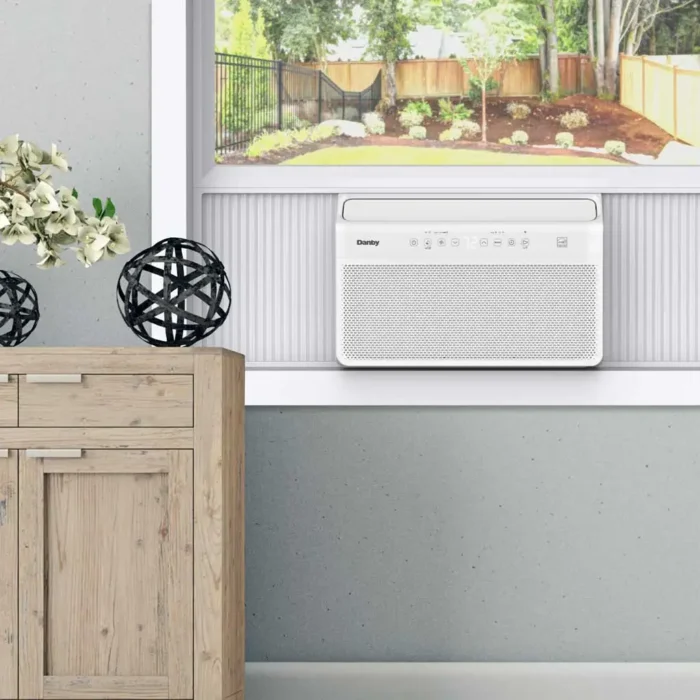
If you do not want a mini split AC or a portable air conditioner you can consider a window air conditioner model. Among window air conditioner models the LG 10,000 BTU Dual Inverter Smart Window Air Conditioner is a great choice.
This inverter window air conditioner model is made to cool rooms that’re, up to 450 square feet in size. The inverter window air conditioner also has inverter technology, which means it uses two compressors that can run at different speeds. This inverter window air conditioner system helps to save energy. Makes a lot less noise when it is running.
So, Are Inverter Air Conditioners Better?
Inverter air conditioners are better in every way. They have a lot of things going for them.
Inverter air conditioners are:
- Energy-efficient
- Quieter
- Longer-lasting
- Better, for the environment
- They save you money over time
The thing is, inverter air conditioners might be more expensive when you first buy them. Inverter air conditioners are a good choice because they save you money and keep you comfortable in the long run. Inverter air conditioners are a thing to buy.
Final Thoughts
If you’re thinking about upgrading your cooling system, inverter air conditioners are the smart, energy-efficient choice for modern homes. At MileHi HVAC, we provide expert AC installation in Denver — ensuring your system runs smoothly, efficiently, and reliably throughout the year.
Whether you’re replacing an old unit or installing a new inverter system, our licensed professionals are ready to help. Stay cool, save energy, and enjoy long-term comfort with MileHi HVAC — your trusted Denver AC installation and service experts.
FAQs
Q1: Are inverter air conditioners better than regular ACs?
A: Yes! Inverter air conditioners are more energy-efficient, quieter, and longer-lasting than regular (non-inverter) ACs. They maintain a consistent temperature, reduce electricity bills, and are more eco-friendly. For professional AC installation in Denver, MileHi HVAC can help you choose the best system for your home.
Q2: How do inverter air conditioners save energy?
A: Inverter ACs use a variable-speed compressor that adjusts power according to cooling needs. Unlike non-inverter ACs, they don’t turn on and off frequently, which reduces energy consumption by 30–50% and lowers utility bills.
Q3: Are inverter air conditioners quieter than regular ACs?
A: Yes. The smooth, low-speed operation of inverter compressors produces less noise, making them ideal for bedrooms, offices, and living areas compared to regular AC units.
Q4: Do inverter ACs last longer than non-inverter ACs?
A: Typically, yes. Inverter ACs experience less strain on the compressor, resulting in a lifespan of 12–15 years, whereas non-inverter ACs usually last 8–10 years. Regular maintenance by MileHi HVAC in Denver can further extend your system’s life.
Q5: Is the upfront cost of an inverter AC higher?
A: Inverter ACs often cost more initially due to advanced technology. However, their long-term energy savings, quieter operation, and lower maintenance costs make them more cost-effective over time.