

Most homeowners ask this question before buying a new system. And it is a smart question to ask. A heat pump is not a small investment. Knowing what to expect helps you plan, budget, and avoid surprises.
So, how long will a heat pump last on average? The short answer is 15 to 20 years. But that number depends on a few key things. The type of unit, where you live, and how well you maintain it all play a role.
The Average Heat Pump Lifespan
The average life of a heat pump is around 15 years. Some units quit before that. Others keep running well past 20 years.
Air source heat pumps, the most common type, typically last 15 to 20 years. A 2024 study by the U.S. Department of Housing and Urban Development confirmed this range for modern, energy-efficient models. Older models used to cap out at 10 to 15 years. Newer ones are built to last longer.
Here is a quick breakdown by type:
Air source heat pump: 15 to 20 years Ductless mini-split heat pump: 20 years or more Geothermal heat pump: 20 to 25 years (underground loop: 50+ years)
The life expectancy of a heat pump system also depends on how hard it works. A unit running in Denver, where winters can be harsh and summers warm, works year-round. That adds wear over time. At MileHi HVAC, we see this regularly with systems in the Denver metro area. Systems that skip maintenance often need replacement years ahead of schedule.
Factors That Affect Heat Pump Life Expectancy
Several things decide whether your unit reaches 20 years or dies at 10.
Installation Quality
This is the biggest factor most people overlook. A poorly installed unit, one that is the wrong size or improperly connected, will wear out fast. An undersized unit runs constantly. An oversized one short-cycles, which kills the compressor early. Always hire a qualified HVAC contractor with real experience.
Climate and Usage
Heat pumps in mild climates face less strain. In places like Denver, where the system runs in both heating and cooling mode throughout the year, the workload is higher. More cycles mean more wear. That does not mean your unit will fail early, but it does mean maintenance becomes even more important.
Maintenance Habits
Skipping annual tune-ups is the fastest way to shorten your unit’s life. A neglected system runs harder, uses more energy, and breaks down more often. Regular service catches small problems before they become costly ones.
Unit Brand and Quality
Not all heat pumps are equal. Budget brands often use lower-grade components. They may cost less upfront but need replacement sooner. Reputable brands with strong warranties tend to outlast cheaper alternatives.
Thermostat Settings
Running your system at extreme temperature settings puts unnecessary stress on the compressor. A smart thermostat helps your system run efficiently without overworking itself.
Read More: How Do I Know If I Have a Heat Pump?
Signs Your Heat Pump Is Near the End
Knowing when to replace rather than repair saves money. Watch for these warning signs:
Your unit is 15 years or older. At this point, efficiency drops and repairs become more frequent.
Energy bills keep rising: A struggling system works harder and uses more electricity to do the same job.
Repairs are stacking up: If you are spending hundreds on fixes every year, a new unit often makes more financial sense.
Uneven heating or cooling: If some rooms are too hot and others too cold, the system may no longer be performing as it should.
Strange noises: Banging, grinding, or squealing sounds often signal a failing compressor or motor.
Poor airflow: Weak airflow from your vents can mean a failing blower or clogged coil.
5 Ways to Extend Your Heat Pump Life Expectancy
You can take active steps to protect your investment. At MileHi HVAC, we recommend these five strategies to keep your system running smoothly.
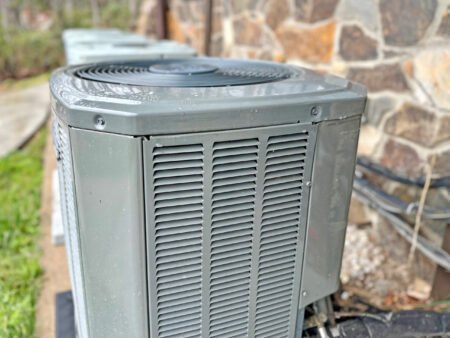
- Keep the Outdoor Unit Clear: Remove leaves, snow, and debris from around the outdoor cabinet. Restricted airflow makes the compressor work much harder than necessary.
- Professional Seasonal Tune-ups: A professional Denver HVAC Service visit twice a year catches small issues like refrigerant leaks or worn capacitors before they cause a full system failure.
- Use a Smart Thermostat: These devices prevent unnecessary cycling and can be programmed to reduce the load when you are away, saving hours of wear on the motor.
- Seal Your Ductwork: If your ducts leak, your heat pump has to work longer to reach the target temperature. Sealing ducts reduces the “run time” of the unit.
- Address Noises Quickly: If you hear grinding or squealing, call a technician immediately. These sounds usually indicate a part is failing and putting strain on the rest of the system.
Heat Pump vs. Furnace: Which Lasts Longer?
A standard gas furnace typically lasts 15 to 20 years. A central air conditioner lasts around 12 to 15 years. A heat pump does both jobs in one system. So while it runs more often than either unit alone, it replaces two separate systems. When maintained well, the heat pump lifespan is competitive with or better than a traditional furnace-and-AC combo.
When to Repair vs. Replace
A common rule is the 5,000 rule. Multiply the age of the unit by the repair cost. If the number exceeds $5,000, replacement usually makes more sense. For example, a 12-year-old unit needing a $500 repair equals $6,000. That tips toward replacement.
Also consider energy savings. A new high-efficiency unit can cut heating and cooling costs significantly. In many cases, the savings offset a large portion of the replacement cost over time.

Conclusion
How long will a heat pump last depends mostly on how well it is cared for. A well-maintained system can serve your home for 15 to 20 years or more. Skipping maintenance cuts that number down fast. If you are in the Denver area and want to get the most out of your system, MileHi HVAC offers complete Denver HVAC service, including tune-ups, repairs, and new installations. Our team helps you protect your investment and stay comfortable year-round. Contact us today to schedule your next service visit.
FAQs
How many years does a heat pump last without maintenance?
Without regular maintenance, most units last around 10 years. Proper care can extend that to 20 years or more.
Does climate affect heat pump lifespan?
Yes. Systems in extreme climates work harder and tend to wear out faster. Regular service is especially important in cities like Denver with wide seasonal temperature swings.
Is it worth repairing a 15-year-old heat pump?
It depends on the repair cost and the unit’s overall condition. If repairs are frequent and costly, replacement usually makes more financial sense.
What is the most durable type of heat pump?
Geothermal heat pumps last the longest, often 20 to 25 years for the indoor unit and 50+ years for the ground loop.
How often should a heat pump be serviced?
Twice a year is ideal. Once before the heating season and once before the cooling season.