


Moving a water heater is not a simple thing because water heater units are very heavy and bulky. Due to this danger many homeowners ask this question: can you lay a heater on its side? So the answer is yes but only if it is necessary and with proper cautions. As transport seems easier but laying a water heater sideways leads to internal damage, reduces efficiency and sometimes voids warranties. In this guide we will learn about what happens when you lay a heater on its side, when it should be unavoidable and safely handle the situation when you have no other option.
How water heaters are designed
Before diving deeper let first learn about how these systems are built. Most water heaters are designed in a vertical position to operate. Every component like from dipole tube to anode rod relies on gravity and upright alignment to function properly.
Inside the tank a glass lining protects the metal from corrosion. The dip tube directs cold water to bottom for heating then hot water rises to top. The anode rod prevents efficiency, rust and insulation maintains heat efficiency.
So when you can lay down a water heater incorrectly, components may shift, lose efficiency which also shortens the unit lifespan.
Why You Should Avoid Laying a Water Heater on Its Side
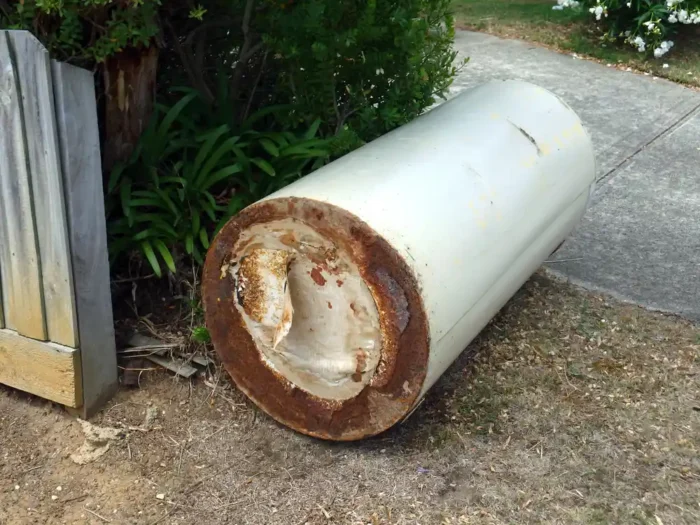
Before transportation homeowners have confusion and concern that transport becomes easier. However it seems convenient but also has several risks.
Internal Damage
The glass lining inside the tank is very delicate. Laying the water heater on its side can cause several cracks or chips which exposes the metal to water and results in corrosion.
Component Misalignment
For proper vertical position anode rod and dip tubes are designed. When you transport or lay a water heater on its side these components may bend, shift or break.
Gas and Electrical Issues
Gas water heaters operate using burners and valves located at the bottom. When you tilt the system the oil and debris may enter the critical areas affecting the performance. However electrical models experience stress and leaks.
Insulation damage
When you lay the tank sideways the insulation is affected. This leads to reduced efficiency and more energy consumption over time.
Warranty concerns
Also many manufacturers clearly state that horizontally transporting a unit clearly voids the warranty. If people even do this transport it may cost them later.
When Laying a Water Heater on Its Side Is Unavoidable
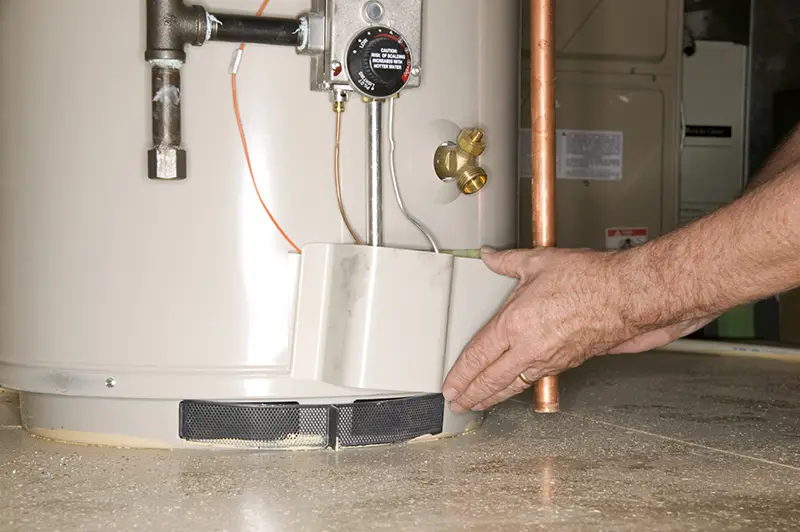
Despite the risks there are some conditions in which you have no choice. That’s why homeowners ask this question when they have limited transport and tight spaces.
Some common scenarios include:
- Narrow doorways or staircases that prevent upright movement
- Small vehicles like SUVs where vertical placement isn’t possible
- Emergency relocations with limited equipment
In these cases you can lay a water heater on its side but with complete precaution and care.
Read More: Is A Noisy Water Heater Dangerous?
How to Safely Transport a Water Heater on Its Side
If transporting a water heater is necessary for you then follow these right steps which minimizes your damage. However it is not ideal but still handling with care can reduce a lot of risks when you can transport a water heater laying down.
Preparation before moving
First completely drain the tank. Water adds significant weight and causes internal shifting during the transport. After that turn off the gas and electricity and allow the unit to cool.
Seal the entire system to prevent any dirt or debris. Keeping photos of the system helps you in reinstalling the system.
Proper positioning
Carefully place the unit on its side and ensure the protection of all the sensitive components. Use thick blankets which prevent dents.
Secure the unit
Use strong ratches straps for keeping the unit in place. Don’t use ropes as they become loose during the transport. Be careful that the unit is balanced and unable to roll or shift.
During transport
Carefully drive the unit to its place to avoid overspeeding, sharp turns. Regularly check the straps to ensure that system is secure.
After transport
Once you safely reach the destination, place the heater carefully in an upright direction. Place it for 4-6 hours before installation. Through this the internal components settle down at their positions.
Special Considerations for Different Heater Types
As there are different types of heaters so they don’t respond in the same way when laid sideways.
Tank water heaters
These are the most vulnerable type of heaters. Their internal components can easily shift or break down when you lay a hot water heater on its side.
Tankless Water Heaters
These units are normally lighter and can easily shift from one place to another. Although you have to be careful related to electrical components.
Heat Pump Water Heaters
These units should never be laid down as the compressor contains oil that can be flown incorrectly. If you lay down or transport this unit it will result in system failure.
Common Mistakes to Avoid

Skipping the Drain Step
Here’s something I learned the hard way: a full 50-gallon water heater weighs over 400 pounds. That’s not just heavy—it’s dangerous. The water inside sloshes around during transport and puts stress on parts that weren’t designed for it. Take the 30 minutes to drain it completely. Your back will thank you.
Ignoring What the Manual Says
Look, I get it. Nobody reads manuals. But water heater manufacturers put transport instructions in there for a reason. Some brands will actually void your warranty if you lay the unit down. A quick look at the manual or a call to the manufacturer takes five minutes and could save you from buying a replacement out of pocket.
Trying to Fit It Where It Won’t Go
I once watched my neighbor attempt to squeeze a water heater into his Honda Civic. It didn’t end well. You really need a pickup truck or a van with proper cargo space. If the unit doesn’t fit flat, don’t force it at weird angles—that’s just asking for damage.
Installing It Right Away
After you’ve hauled your water heater around on its side, give it time to rest. Two hours minimum, though some installers recommend waiting overnight. The internal parts need to settle back into position. I know you’re eager to get hot water running, but patience here prevents bigger headaches later.
Not Strapping It Down
A water heater sliding around your truck bed is a nightmare waiting to happen. Use at least two good ratchet straps and actually tighten them. Put some old blankets under the straps so you don’t dent the outer shell. One hard brake and an unsecured water heater becomes a 200-pound battering ram.
When to call professionals
The best thing in this scenario is that you leave this job to professionals for safety concerns of yourself and the system. If your heater has gas connections then professional assistance is strongly recommended. The gas system requires precision and compliance with codes. If you have tight spaces, stairs then seek help from experts as they have tools and materials for carefully doing the job.
Our team at MileHi HVAC offers you professional services like installation and transport. We make sure proper maintenance of your system from start to end. We save you from unexpected risks and assure you reliable and long term performance.

Final Thoughts
So, can you lay a water heater on its side? Yes but only when absolutely necessary and with risk.The internal design depends on gravity and vertical alignment. Even short horizontal transport can shorten lifespan and reduce efficiency.Hiring professionals like MileHi HVAC ensures proper transport, protects warranties, and prevents costly mistakes.
If you must transport one horizontally, follow every precaution. Even then, expect a shorter lifespan and possible performance issues. The $50 to $100 to rent a proper appliance dolly or taller truck beats a $800 replacement in a few years.
Contact Milehi Hvac for expert water heater installation in Denver. We handle the heavy lifting and transport safely, protecting your investment from day one.
FAQs
Is it possible to place a water heater on its side while it is being transported?
Yes, in theory, but it’s not advised. If possible, place a water heater on its side but only across short distances and take the necessary safety precautions.
What is the maximum duration that a water heater can remain on its side?
For as little time as possible it is ideal to keep it horizontal. Before installing it, let it sit erect for a few hours.
Will it be harmed if a water heater is installed?
Indeed, if handled harshly it can harm internal parts like the anode rod, dip tube and glass lining.
Is it safe to move a water heater when it’s lying down?
To reduce dangers, if you are able to transfer a water heater when it is lying down, make sure it is padded, drained and firmly strapped.
After transportation, is it safe to install a heater right away?
No, in order to allow internal components to settle, the device should always be left upright before installation.