

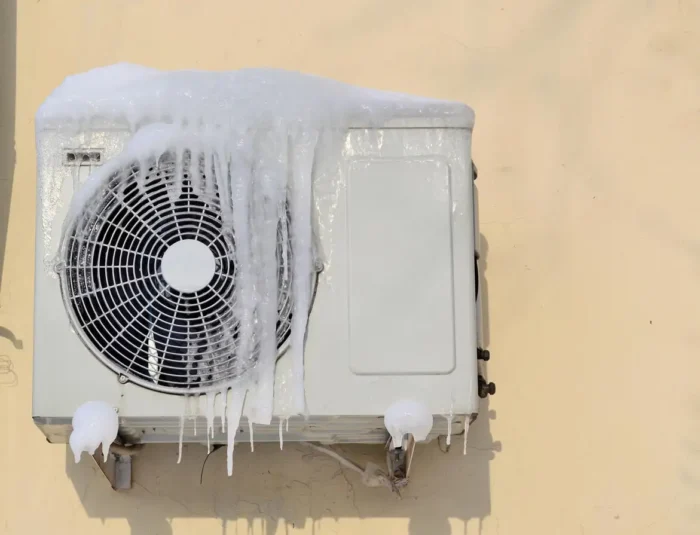
During peak summer seasons only the HVAC system like the AC unit keeps your home cool and comfortable. You become frustrated and confused when suddenly your system stops working and you also notice ice buildup. So if you are wondering about what would cause an AC unit to freeze up then you are not alone this is one of the most common HVAC issues.In this detailed blog from Mile hi HVAC you will learn about the main reasons behind frozen AC units, what are the warning signs and what are some preventive measures.
Understanding the Problem: Why AC Units Freeze
Before knowing about things in detail, firstly it’s important to understand how an AC unit works. So this system totally relies on the proper airflow, refrigerator levels and the temperature balance. The ice is built up only when this balance disrupts and evaporator coils become too cold.
This is the reason that most homeowners notice their air conditioner freezing up even if the weather is hot outside.
Warning Signs Your AC Is Freezing
Recognizing the issue on time and taking quick action saves you from a lot of costly repairs.
Look for the following signs:
- Weak airflow
- Warm air from vents
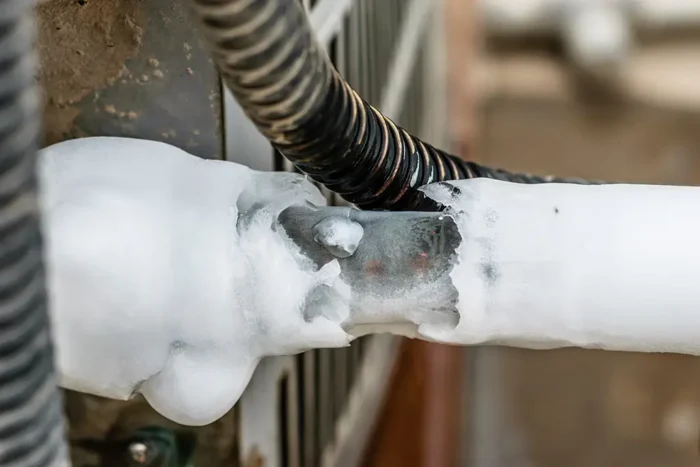
- Ice on refrigerant lines
- Water leaks around the unit
So if you notice these signs it is a signal that you are already dealing with why my ac unit is frozen.
Top Reasons What Would Cause an AC Unit to Freeze Up
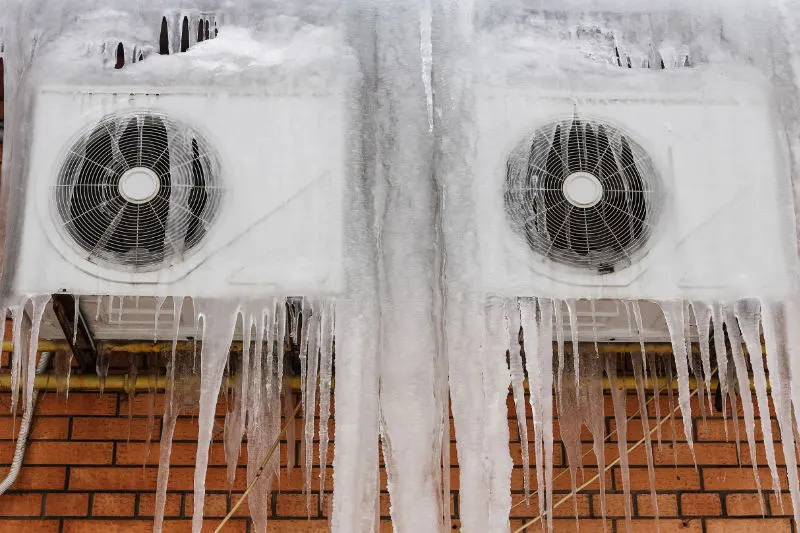
Following are the main causes behind this problem.
Restricted Airflow
The top of list common reason behind ac units frozen up is poor flow of air.
When the airflow is blocked then:
- Warm air doesn’t reach the evaporator coil
- The coil temperature drops below freezing
- Ice begins forming on the coils
Common airflow issues includes:
- Blocked vents
- Dusty air filters
- Faulty blower fan
- Closed registers
So the first thing to check when ac keeps freezing is the air flow of your system.
Low Refrigerant Levels
The refrigerator plays a crucial role in absorbing heat. The level suddenly drops due to the leakages.
- The temperature of coil drops excessively
- The system pressure decreases
- Moisture freezes on contact
This is also one of the major reasons behind why ac freezes up in many homes.
Signs of low refrigerant may be:
- Hissing sounds
- Reduced cooling efficiency
- Ice buildup on refrigerant lines
Dirty Evaporator Coils
As with time dust and debris collects on the evaporator coils. This results in insulation that restricts the proper heat absorption.
The results can be:
- The coil gets too cold
- Condensation turns into ice
The systems that are not maintained regularly are the common cause of air conditioners freezing up.
Thermostat Issues
As the thermostat controls the overall temperature. So due to incorrect thermostat settings and malfunctioning sensors AC units often operate longer as needed.
This results in:
- Excessive cooling cycles
- Coil temperature dropping too low
- Ice formation
If you are searching about why my ac unit is frozen then the thermostat may be the part of your problem.

Blocked or Dirty Air Filters
As dirty and clogged air filters restrict the air flow and it makes harder for warmer air to circulate throughout the system.
Its effects include:
- Reduced efficiency
- Frozen coils
- Increased energy bills
That’s why a dirty air filter is one of the hidden reasons behind why your ac keeps freezing.
Fan or Blower Problems
The main function of a blower fan is to move or circulate the air across the evaporator coil. If it is not functioning properly then:
- Airflow decreases
- Cold air lingers around the coil
- Ice develops quickly
Sometimes this issue also leads to AC frozen outside units especially when your system operates continuously.
Drainage Issues
For cooling ac units remove the moisture from air. So if the condensate drain is clogged then:
- Water accumulates
- Freezing becomes more likely
Although this issue is overlooked, it can also explain why ac freezes up even when everything seems normal.
Outdoor Temperature Conditions
Sometimes running your AC when outdoor temperature is very low like 60F and 16C can result in freezing.
- This freezing happens because:
- Pressure inside the system drops
- Coils become too cold
So during cooler evenings or transitional seasons are the most frequent causes of AC frozen outside units.
Read More: Why Is My Air Conditioner Not Blowing Cold Air?
What to Do When Your AC Unit Freezes Up
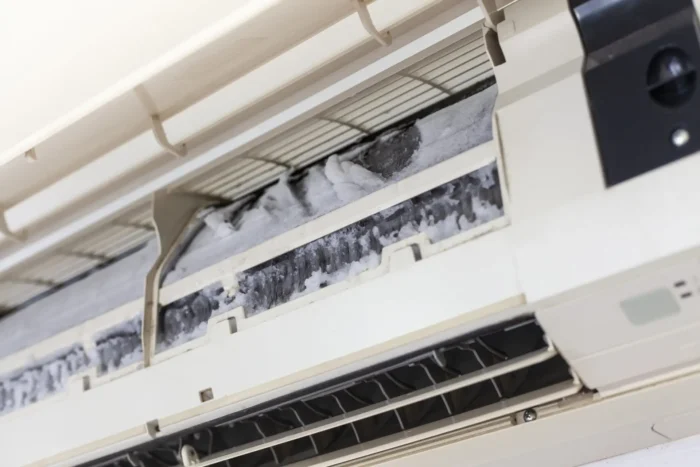
If your unit frozen then don’t panic and confidently follow these steps like:
Turn Off the System
Immediately turn off your system as it can damage the compressor.
Let the Ice Melt
Don’t scrap the ice; it will automatically melt within several hours.
Check the Air Filter
If it is dirty then replace it with the new one for proper airflow.
Inspect Vents and Registers
Inspect everything carefully and make sure that nothing is blocking the airflow.
Call a Professional
If the issue persists and you don’t have any knowledge about it then contact professionals like Mile Hi HVAC for expert repair and diagnosis.
The team at MileHi HVAC handles air conditioning repair services in Denver and can diagnose what is going on before the problem gets worse.
How to Know If It Is a Refrigerant Leak
Airflow problems are usually an easy fix. Refrigerant leaks are not. Here is how to tell the difference.
If you fix the filter, open all the vents, and the AC still freezes within a day or two — that points to refrigerant. Other signs include a hissing or bubbling sound near the lines, ice forming on both the indoor and outdoor units, and rooms that stay warm no matter how long the system runs.
Do not try to add refrigerant yourself. It requires a license to handle, and adding more without fixing the leak just delays the inevitable.
Why Your AC Keeps Freezing at Night
This is a question MileHi HVAC gets a lot. Why my ac unit is frozen in the morning but fine by afternoon?
When temperatures outside drop overnight, your refrigerant gets colder. The system runs at lower efficiency. Any small airflow restriction that would not matter during the day suddenly becomes enough to cause freezing at night.
If this only happens on cool nights and the system runs fine on hot days, try setting your thermostat a few degrees higher after dark. If it keeps happening regardless of the weather, there is something mechanically wrong.
Read More: Common Air Conditioning Mistakes To Avoid At All Costs.
Tips to Prevent Future Air Conditioner Freezes
Remember this thing that prevention is always better than repairing. Follow these tips to avoid dealing with what would cause an ac unit to freeze up again.
Regular Maintenance
Schedule professional maintenance and inspection once a year.
Change Filters Frequently
Replace the air filters at least 1-3 months.
Keep Vents Open
Ensure the proper flow of air throughout the home where required.
Monitor Refrigerant Levels
For this contact some experts as they should handle the task of refrigerants.
Use Smart Thermostat Settings
Avoid setting the temperature too low for long period.
Why Professional Help Matters
Some minor issues can be fixed easily at home but still some issues require professional inspection.
At MileHi HVAC our professionals:
- Detect refrigerant leaks
- Clean internal components
- Repair faulty parts
- Optimize system performance
Sometimes not taking action on time and ignoring the problem results in costly repairs or complete system replacement.
Conclusion
A frozen AC is your system telling you something is wrong. Whether it is a dirty filter or a refrigerant leak, ignoring it leads to bigger problems. Now you know what would cause a AC unit to freeze up and exactly what to do when it happens. Handle the simple stuff yourself and call a professional when it keeps coming back. MileHi HVAC offers air conditioning repair services in Denver — reach out before the summer heat makes a frozen coil the least of your problems.
FAQs
Q: Why would ac freeze up even after I changed the filter?
A: Low refrigerant is the next most likely cause. A dirty evaporator coil or a failing blower fan can also do it even with clean airflow.
Q: How long does a frozen AC take to thaw?
A: One to 24 hours. Running the fan without cooling speeds it up. Put towels down to catch the melt water.
Q: Can I damage my AC by running it frozen?
A: Yes. Liquid refrigerant can get pulled into the compressor and destroy it. Turn it off until it fully thaws.
Q: Why does my AC only freeze at night?
A: Cooler nighttime temperatures make refrigerant run colder. Any small airflow issue that is borderline during the day becomes enough to cause freezing overnight.
Q: How much does an AC freeze-up repair cost in Denver?
A: A refrigerant leak repair and recharge typically runs $200 to $600. Blower motor replacement is usually $300 to $700. Preventive maintenance that stops freezing before it starts runs $80 to $150 a visit.
Q: Does a frozen AC mean I need a new unit?
A: Not necessarily. Most freeze-ups are fixable. The exception is if the compressor has already been damaged from running too long in a frozen state.