


If your home feels sticky and muggy even with the AC running, you are not alone. A lot of people deal with this and wonder if their air conditioner is even doing its job. The good news is that your AC does remove humidity — but not always as much as you need.
Knowing why this happens and what to do about it can make your home a lot more comfortable. This guide breaks it all down in plain terms.
How Air Conditioning Systems Handle Humidity
Your AC does two things at once. It cools the air and removes moisture from it.
Here is how it works. Warm air from your home gets pulled across cold coils inside your AC unit. When that warm, humid air touches the cold surface, moisture drips off — the same way a cold drink sweats on a hot day. That water collects in a drain pan and exits through a drain line.
So yes, does air conditioning remove humidity? It does. But it only works this way when the system runs long enough. Short cycles mean less moisture removed.
Common Reasons Your Home Still Feels Humid
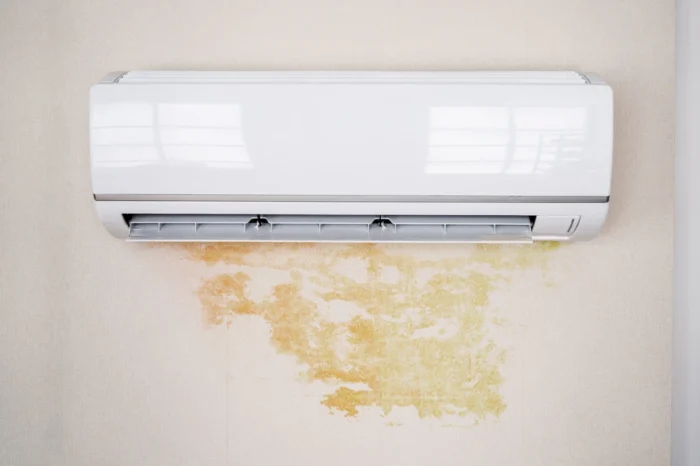
If the AC is running but your home still feels muggy, something is likely off. These are the most common causes.
Your AC unit is too big
This sounds odd but it is a real problem. An oversized unit cools the air so fast that it shuts off before it has time to pull moisture out. This is called short cycling and it is one of the biggest reasons homes stay humid even with a working AC.
The system is old
Older units lose efficiency over time. If your AC is past 12 to 15 years old, it may not dehumidify the way it used to. Parts wear down and the system just does not perform like it once did.
Refrigerant is low
Low refrigerant means the coils do not get cold enough. Less cold means less condensation and less moisture removed from the air. This also makes your AC work harder and cool less.
The drain line is blocked
If the condensate drain line gets clogged, water backs up inside the unit. The system cannot remove moisture properly and you may even notice water leaking near your indoor unit.
Outside air is getting in
Gaps around doors, windows, and ducts let humid outdoor air sneak in. Your AC cannot keep up with a constant supply of outside moisture coming through cracks and openings.
Read More: Why Does My Air Conditioner Smell?
Simple Fixes That Actually Work
Switch the fan setting to auto
Check your thermostat. If the fan is set to “on” it runs all the time, even between cooling cycles. That blows air over wet coils and pushes moisture back into your home. Set it to “auto” and the fan only runs when the AC is actually cooling.
Get a dehumidifier
For homes in humid areas or rooms like basements, a dehumidifier is a straight up solution. A whole-home dehumidifier connects to your ductwork and works with your AC. A portable unit works for single rooms.
Seal up your home
Walk around and check for gaps near doors, windows, and where pipes enter the walls. A bit of weatherstripping or caulk goes a long way. Less outside air coming in means your AC has less moisture to fight.
Keep up with maintenance
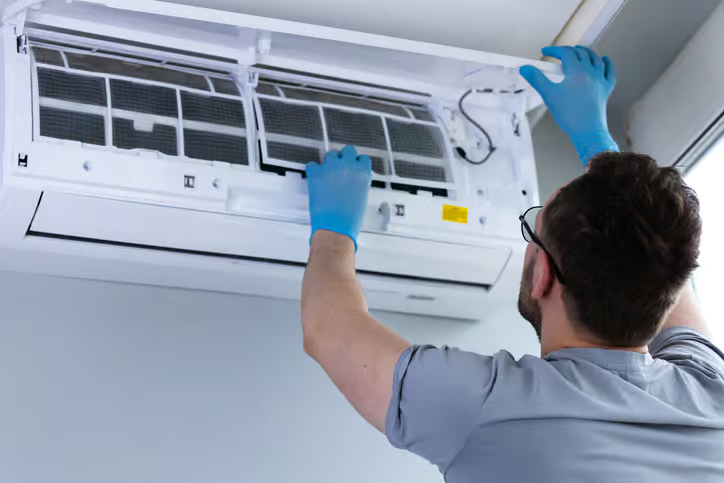
Dirty coils, a clogged drain line, low refrigerant — all of these reduce how well your AC removes moisture. A yearly tune-up keeps the system running the way it should.
What Humidity Level Should You Aim For?
A comfortable home sits between 30% and 50% relative humidity. Above 50% and you start to notice it — the air feels heavy, mold becomes a risk, and wood floors and furniture can warp over time.
Pick up a hygrometer from any hardware store for around $15. It tells you exactly what your indoor humidity is. If you are consistently above 55%, your AC alone is probably not enough.
Why Reducing Humidity Actually Matters
When humidity drops to a healthy level, your home just feels better. Here is what changes.
You feel cooler at the same temperature. Humid air slows down how your body cools itself. Lower humidity means you can set the thermostat a degree or two higher and still feel comfortable — which saves on energy bills.
Mold has a harder time growing. Mold loves moisture. Keeping humidity below 50% makes your home a much less friendly place for it.
Your home stays in better shape. High humidity damages wood, peels paint, and causes rust on metal surfaces. Lower humidity means less wear on your home over time.
Things That Affect How Well Your AC Dehumidifies

The type of system you have
Newer variable speed AC units run at lower speeds for longer. This gives the coils more time to pull moisture out of the air. Older single-stage units run at full blast and shut off quickly — not great for humidity control.
Your ducts
Leaky ducts pull in hot, humid air from your attic or crawl space. That air goes straight into your living areas and undoes what your AC is doing.
Your air filter
A clogged filter blocks airflow across the coils. Less airflow means less moisture removed. Replace your filter every one to three months.
Moisture inside your home
Cooking, showers, and even breathing add moisture to your air. In a tightly sealed home this can build up fast. Good ventilation in kitchens and bathrooms helps keep it in check.
Does AC Increase Humidity? Here Is the Truth
Does ac increase humidity? No. Your AC pulls moisture out of the air — it does not add any. But in very dry climates, running the AC can sometimes make the air feel different as it cools. That is not added humidity, it is just how cooler air feels. A hygrometer will give you the real number.
Does Air Conditioning Lower Humidity in Every Home?
Does air conditioning lower humidity? Yes, in most cases. But results depend on the size of your unit, the condition of your system, how well your home is sealed, and how humid your local climate is.
Do air conditioners remove humidity during peak summer heat? They try to. But in very humid conditions, your AC may need help from a whole-home dehumidifier to keep levels comfortable.

Conclusion
Your AC removes humidity as part of how it cools your home. But a unit that is too big, too old, or not well maintained will struggle with moisture control. Small things like switching your fan to auto, sealing gaps, and keeping up with maintenance make a real difference.
If your Denver home still feels muggy despite a running AC, the team at MileHi HVAC can figure out why. Our air conditioning repair service in Denver covers everything from refrigerant checks to drain line cleaning. Reach out to MileHi HVAC today and get your home feeling the way it should.
FAQs
Does air conditioning remove humidity from indoor air?
Yes. As the AC runs, moisture from warm air condenses on the cold coils and drains out of the system. This is how your AC reduces humidity while cooling.
Why does my house feel humid even with the AC on?
Usually it comes down to an oversized unit that shuts off too fast, a clogged drain line, low refrigerant, or gaps in your home letting outside air in.
What is the right humidity level for a home?
Between 30% and 50%. Above that and the air feels heavy and mold becomes a risk. Below 30% and the air gets too dry.
Should I run a dehumidifier along with my AC?
In humid climates or homes with ongoing moisture problems, yes. A whole-home dehumidifier works with your AC and keeps levels steady all year.
Does setting the fan to “on” help with humidity?
No, it makes things worse. The fan blows air over already-wet coils between cycles and puts moisture back into your air. Always use “auto.”