

In winter seasons a well functioning water heater is the basic need of people for taking warm showers to washing dishes and cleaning. Although the system is working efficiently, there is a hidden problem that silently affects the system with time: sediment buildup. If you know about hot water heater sediment symptoms you will notice the signs and will take action early. This will save you from expensive repairs and heavy damages.
At MileHi HVAC we help and guide homeowners on how they can diagnose the symptoms of sediment buildup. In this article we will guide you on why sediment occurs. How it looks like and when you have to call professionals for help.
Sediment in a hot water heater
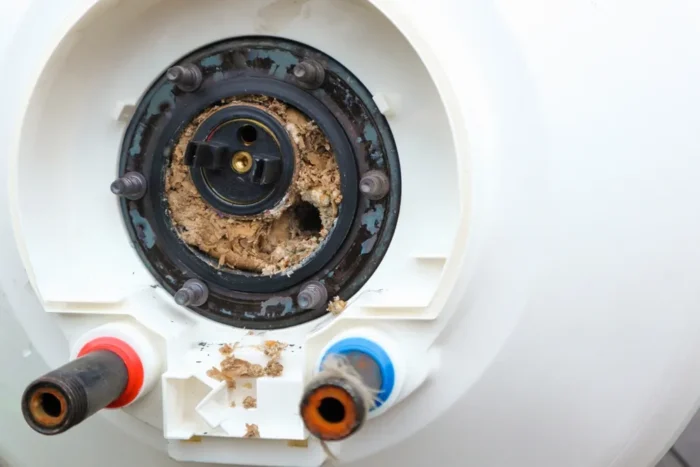
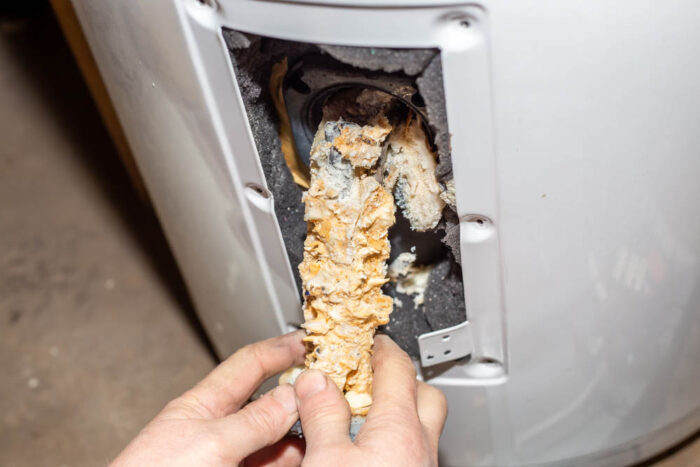
Sediment in a water heater means that minerals from water like calcium, magnesium or sand particles settle at the bottom of the tank and with time results in a buildup which affects the performance of the system. This issue is common in areas where there is hard water. This buildup results in a thick layer which damages the internals components as well as the efficiency of water heaters.
If the problem remains unaddressed and water heater sediment buildup increases it makes the system work more harder which leads to performance issues and higher energy bills.
Common Hot Water Heater Sediment Symptoms
When you notice and take action suddenly on hot water heater sediment symptoms it is the smartest and beneficial decision for protecting your system. Some common signs to look for are:
Inconsistent or reduced hot water
Sediment buildup acts as a barrier between heating elements and water, this results in lukewarm water or variations in hot cozy water.
Rumbling or popping noises
When you notice sudden rambling or popping noises form your water heater it is due to the sediment buildup which is disturbing your system. These noises produce when water heats and flows through the hard deposits it creates. It is one of the warning sign of sediment buildup in your water heater.
Cloudy or rusty water
When you see cloudy, rusty water coming from taps it is a sign that loosened sediment is circulating in the tank. This is the one of the earliest signs that there is some disturbance happening inside the tank.
Sediment and Heating Element Problems
Sediment buildup and heating elements are closely connected. When sediment is covered and becomes hardened at the bottom of the tank it leads to overheating and leads to system failure.
These are also the symptoms of bad hot water heater elements including slow heating, water heater not driving hot water and tripped breakers.
These signs should not be ignored and it leads to heavy damages and repairs or sometimes replacements. Therefore contact MileHi HVAC on time for saving you from these damages.
Sediment as a Cause of System Failure
Many homeowners consider sediment is the reason behind the failure of the system. But you should first understand the signs of water heater failure which will help you in differencing between repairable issues or the total breakdowns.
Signs of water heater failure which are related to sediment are:
- Water leakage from base of tank
- Frequent repairs in short timings
- Sudden increase in utility bills
- Water heater Sediment buildup sometimes corrode tank lining
How Sediment Affects Energy Efficiency
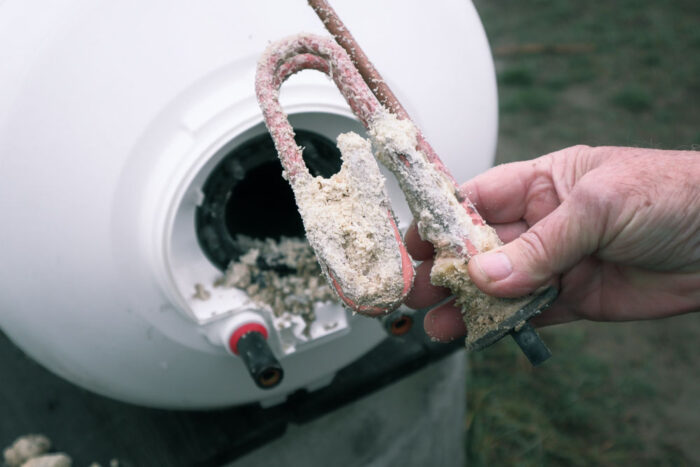
With clean tank water heats faster and utilizes less energy. But with the sediment buildup heating elements affects and water heaters run longer cycles consuming more energy and leads to more energy bills.
Addressing sediment in the water heater through regular flushing increases the efficiency, improves performance and makes the hearting elements work smoothly.
Read More: What Does Water Heater Sediment Look Like?
How to prevent sediment buildup
From repairing your system taking action before is the best and prevention is easy and cheaper than repairs. You should follow these strategies for saving your system
- Install water softener is your have hard water
- Flush and clean you tank annually or twice a year
- Replace with aging anode when necessary
- Schedule professional assistance for inspections
These steps reduce or eliminate the symptoms of bad hot water heater elements and prevent the signs of water heater failure due to sediment buildup.
when to call a professional
As maintenance can be performed easily at home on their own but sometimes major issues like sediment buildup requires professional maintenance in case of internal damage to tank lining. If you face repeated hot water heater sediment symptoms then it is recommended to schedule a professional inspection.
At MileHi HVAC we have expert, trained technicians and offer you transparent pricing with reliable services. Whether you are facing minor issues or serious damages our team is always ready to help you and make sure that you enjoy hot cozy water during the winter season

Final thoughts
Recognizing hot water heater sediment symptoms on time saves you from frequent or costly repairs and replacements. Sediment buildup should not be ignored as it affects heating systems, reduces efficiency and leads to signs to water heater failure. For protecting your system from failures regular maintenance and professional assistance is essential. For expert Denver heater maintenance service contact MileHi HVAC we help you in making your system working efficiently.
FAQS
What are the most common hot water heater sediment symptoms?
Common symptoms include rumbling noises, reduced hot water supply, cloudy water, higher energy bills and overheating heating elements.
How often should sediment be flushed from a water heater?
Most professionals recommend flushing once a year. Homes with hard water may need more frequent service to control water heater sediment build up.
Can sediment cause permanent damage?
Yes. Long-term sediment in water heater tanks can corrode internal linings, damage heating elements and shorten the system’s lifespan.
Are sediment problems linked to heating element failure?
Absolutely. Sediment can overheat elements, leading to common symptoms of bad hot water heater elements, such as slow heating or no hot water.
When should I replace my water heater instead of repairing it?
If sediment damage has caused leaks, corrosion, or repeated signs of water heater failure, replacement may be more cost-effective. A professional assessment from MileHi HVAC can help you decide.