


In this guide, MileHi HVAC explains what an anode rod is, why it matters in gas water heaters, and how proper maintenance can save you money in the long run. When homeowners think about maintaining their water heater, they typically think of parts like burners, thermostats, and tanks, but one of the most crucial and often overlooked parts is the anode rod. A common question that many people ask is: Does a gas water heater have an anode rod? The short answer is yes.
Understanding the Anode Rod in a Gas Water Heater
It’s crucial to first understand what an anode rod does in order to properly comprehend whether a gas water heater has one. An anode rod is a metal rod that is placed within the water heater tank and is often composed of zinc, magnesium or aluminum. Its function is to prevent rust and corrosion in the steel tank.The gas water heater anode rod operates on the idea of sacrificial corrosion. The anode rod corrodes first, sacrificing itself to shield the internal lining of the tank, rather than the tank rotting.
The heater’s lifespan would be significantly reduced without this protecting rod since corrosion would target the tank directly.
The Water Heater Anode Rod Purpose
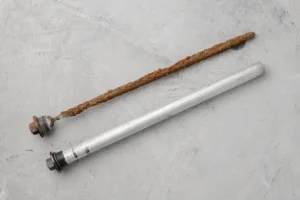
Corrosion prevention is the straightforward but crucial function of the water heater anode rod purpose. Rust development is accelerated by the minerals and dissolved oxygen found in water. Over time, corrosion can still occur in tanks lined with glass.
The steel tank is shielded from corrosive substances in the water by the anode rod. When properly maintained, this procedure enables a gas water heater to survive eight to twelve years or longer.
An anode rod’s main advantages are as follows:
- Stopping leaks and internal corrosion
- extending the water heater tank’s lifespan
- preserving the quality of the water
- lowering the possibility of an unexpected heater failure
Because of this, the anode rod is among the most affordable protective parts of any water heater system.
Is an Anode Rod Standard in All Gas Water Heaters?
Indeed, almost all contemporary anode rods in gas water heaters are installed by the manufacturer. An anode rod is regarded as basic equipment in gas water heater systems, regardless of whether you have a high-efficiency type or a conventional tank-style device.
But the rod’s placement can change. It is often found on top of the tank in gas units, often concealed by a plastic lid. It might be built into the hot water outflow on other types.
Homeowners are frequently unaware that their unit even has an anode rod until corrosion issues arise, according to MileHi HVAC professionals.
Signs Your Gas Water Heater Anode Rod Needs Replacement
The gas water heater anode rod is necessary but has a limited lifespan. It eventually totally corrodes and needs to be replaced in order to keep the tank safe.
The following are typical indicators that the anode rod might be failing:
- Cloudy or rust-colored hot water
- The scent of sulfur in hot water or a rotting egg
- Banging or popping sounds coming from the tank
- An unmaintained water heater that is more than three to five years old
- The tank itself is attacked by corrosion once the rod is completely exhausted, frequently in silence.
Read More: Why Does A Gas Furnace Stop Working?
How Often Should the Anode Rod Be Replaced?

Knowing the role of the water heater anode rod purpose also helps you recognize when it requires maintenance. The majority of manufacturers advise checking the anode rod every three to five years, though this varies based on usage and water quality.
Anode rod lifespan may be shortened by the following factors:
- Hard water with a lot of minerals
- Softeners for water
- Excessive use of hot water
Your water heater’s lifespan can be greatly increased with routine maintenance and replacement. Often, this straightforward maintenance procedure is significantly less expensive than replacing the complete equipment.
Can You Replace an Anode Rod Yourself?
Yes, in theory, but it’s not always simple. Gas and water supplies must be turned off, tank pressure must be released, and a tightly fastened rod must be loosened in order to replace an anode rod in gas water heater units. Because of rust, rods in older machines can be quite challenging to remove.
In order to prevent tank damage or warranty voiding, many homeowners prefer expert service. To guarantee that the work is completed accurately and safely, MileHi HVAC provides expert inspection and replacement services.
What Happens If You Ignore the Anode Rod?
Neglecting the anode rod might have detrimental effects. The tank itself starts to corrode after the rod runs out. Regretfully, rust in tanks cannot be stopped.
Possible results consist of:
- Leaks within decreased effectiveness of the water heater
- Total tank failure
- Expensive emergency replacements
- Regular maintenance is a wise investment because an anode rod is less expensive than a new water heater.
Trust MileHi HVAC for Water Heater Maintenance
Preventative maintenance, in our opinion at MileHi HVAC, is essential to long-lasting home comfort systems. Our skilled technicians can assist you with any questions you may have, such as if a gas water heater has an anode rod or whether yours needs to be replaced.
We offer:
- Expert checks of water heaters
- Testing and replacing anode rods
- Upkeep and repairs for gas water heaters
- Sincere suggestions depending on the state of your system
MileHi HVAC guarantees that your water heater remains effective, dependable, and safe with professional service and clear pricing.

Conclusion
Does a gas water heater have an anode rod? Indeed, and it is essential to safeguarding your investment. Your water heater’s lifespan is increased, rust is silently prevented and costly repairs or replacements are avoided thanks to the anode rod. Homeowners may enjoy dependable hot water for many years to come by learning how it works, keeping an eye out for danger indications and arranging regular maintenance with experts like MileHi HVAC. Making an appointment for a professional inspection may be the best course of action for your house if you are uncertain about the state of your anode rod or would need professional guidance. For expert water heater installation in Denver or maintenance services, call MileHi HVAC today and ensure your system runs efficiently for years to come!
FAQS
Does a gas water heater come with an anode rod by default?
Indeed, an anode rod is built into practically all tank-style gas water heaters. The answer to the frequently asked question, Does a gas water heater have an anode rod? Is yes as the anode rod is crucial for preventing corrosion in the tank.
What does a gas water heater’s anode rod serve as?
The aim of the water heater anode rod is to keep the tank from rusting and corroding. It helps prolong the life of the heater by drawing corrosive substances from the water and corroding instead of the steel tank.
What is the lifespan of an anode rod in a gas water heater?
Anode rods for gas water heaters typically last three to five years. However, because they corrode more quickly, homes with hard water or water softeners may require repair sooner.
What would happen if the anode rod was never changed?
The tank itself will start to rust if the anode rod is completely rusted and not replaced. Leaks and total water heater failure are likely after corrosion reaches the tank.
How can I determine whether my gas water heater’s anode rod is defective?
In gas water heater systems, rusty or discolored hot water, sulfur or rotten egg odors, and strange tank noises are indicators of a malfunctioning anode rod.