


Tankless systems have gained popularity as a solution for the efficient, on-demand hot water that modern households require. But a common question among homeowners is how a tankless water heater can increase GPM without compromising comfort or temperature. A crucial performance indicator that establishes how many fixtures can receive hot water at once is gallons per minute (GPM). Knowing how to maximize GPM is crucial if your system has trouble with low flow or temperature swings.
What influences tankless water heater flow rates is explained in this MileHi HVAC guide, along with safe ways to improve performance for steady, dependable hot water.
Understanding GPM in Tankless Water Heaters
It’s crucial to comprehend GPM before looking for remedies. The amount of hot water that a tankless device can heat and provide at a particular temperature rise is measured in gallons per minute. Tankless heaters heat water instantaneously as it passes through the system, unlike conventional tanks that hold hot water.
The difficulty in increasing the GPM of a tankless water heater is in striking a balance between flow rate and heating capacity. In colder climates or throughout the winter, higher flow necessitates more energy to maintain temperature.
Key Factors That Limit Tankless Water Heater GPM
GPM output may be limited by a number of technological and environmental factors:
- Temperature of incoming groundwater
- BTU rating and unit size
- The quantity of concurrent hot water requests
- accumulation of minerals within the heat exchanger
- Diameter and pressure of plumbing pipes
By properly addressing these aspects improved tankless water heater performance can be enhanced without causing system damage.
Ways to Increase Tankless Water Heater GPM
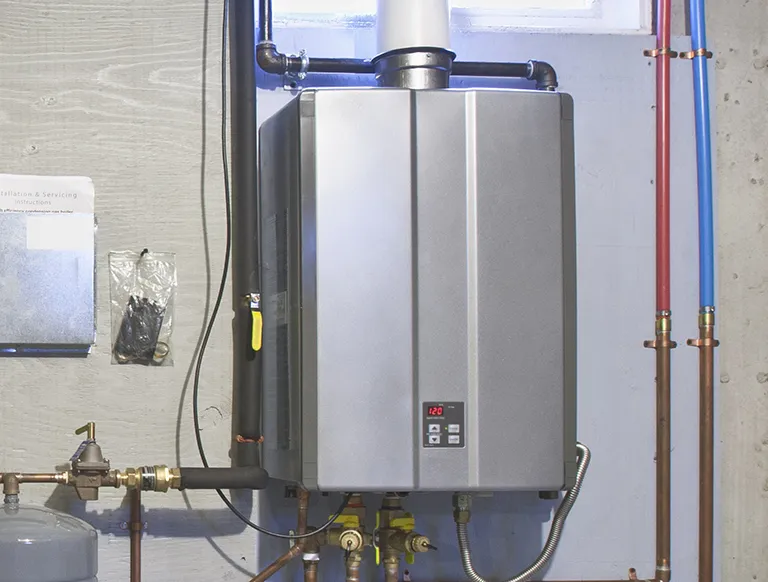
Select the Appropriate Unit Size
Making sure the tankless water heater is the right size for your home is one of the best methods to increase tankless water heaterGPM. Multiple showers, sinks and appliances cannot be effectively supplied simultaneously by a system built for a single bathroom.
Your heater will match your peak water consumption thanks to MileHi HVAC’s expert sizing.
Install a Higher BTU Capacity Water Heater
More water can be heated at once by tankless heaters with larger BTU ratings. Upgrading can greatly increase the flow rate that tankless water heater systems can provide if your existing unit is undersized.
Lessen Plumbing Flow Restrictions
Water flow and pressure are decreased by thin or outdated pipelines. Without making any changes to the unit itself, flow rate tankless water heater performance can be directly increased by replacing restricting pipes or fixing incorrect plumbing layouts.
Make Strategic Use of Low-Flow Fixtures
Contrary to popular belief, efficient fixtures enable the heater to meet demand. By cutting down on wasteful water use, this method increases tankless water heater GPM availability across several fixtures.
How Maintenance Improves GPM Output
Cleaning and Descaling
Reduced performance is frequently caused by mineral accumulation inside the heat exchanger. By removing calcium and lime deposits, annual descaling enhances tankless water heater performance and facilitates effective heat transfer.
In addition to preventing irreversible damage and efficiency loss, routine maintenance helps optimize the flow rate of tankless water optimization heaters over the long term.
Advanced Solutions for Higher GPM Demand
Systems for Parallel Tankless Water Heaters
Installing two or more units in parallel can significantly raise overall GPM for bigger homes or business settings. With this configuration, the system can effectively distribute demand, resulting in real tankless water heater flow rate optimization.
Pumps for Recirculation (When Used Correctly)
Recirculation pumps decrease wait times and perceived flow problems even though they don’t directly raise GPM. They improve overall system efficiency and user experience when set up correctly.
Read More: How to Flush a Tankless Water Heater?
Cold Climate Considerations
The heater has to work harder in colder climates since the incoming water temperature is lower. The flow rate is inherently limited by this. In these circumstances, tankless water heater performance can be enhanced by insulating pipes, utilizing high-efficiency versions, and lowering simultaneous demand.
To maintain steady output all year long, MileHi HVAC experts frequently suggest climate-specific solutions.
Common Myths About Increasing Tankless GPM

- Increasing water pressure raises GPM, which frequently exacerbates temperature instability.
- Flow is restricted by heating capacity, although all tankless heaters offer infinite flow.
- Maintenance is not required because it shortens lifespan and decreases efficiency.
- Asking how a tankless water heater pumps more GPM requires an understanding of these myths.
Professional Assistance from MileHi HVAC
Do-it-yourself modifications may result in warranty voiding or system damage. Correct sizing, safe upgrades, and good installation are guaranteed by professional evaluation. MileHi HVAC specializes in identifying flow problems and creating tailored solutions that maximize efficiency and satisfy household demand.
Final Thoughts
Getting the most out of your tankless water heater requires a mix of smart sizing, routine care, and expert optimization. While no system has infinite capacity, the right upgrades can significantly boost your home’s hot water performance. For the best results, prioritize professional water heater maintenance in Denver to combat mineral buildup and keep your GPM at its peak. At MileHi HVAC, we provide the dependable, customized solutions you need for a more comfortable home. Ready to upgrade your flow? Call us today for expert service you can trust.
Frequently Asked Questions (FAQs)
Is it possible to raise the GPM of my current tankless water heater?
Maintenance, plumbing improvements, and demand management can all boost output, but real GPM increases frequently call for additional systems or a higher-capacity unit.
Does descaling actually improve flow rate?
Indeed. Eliminating mineral accumulation enhances heat transfer, which directly supports improved performance and flow rate optimization for tankless water heaters.
When several taps are open, why does the temperature of my water decrease?
This shows that the heater’s heating limit has been achieved. At increased flow demands the system is unable to sustain temperature.
Is a single huge unit preferable to a parallel system?
Parallel systems offer flexibility, redundancy, and a much greater GPM output for residences with high demand.
How often should tankless water heaters be serviced?
Annual servicing is recommended, especially in areas with hard water to maintain efficiency and performance.