

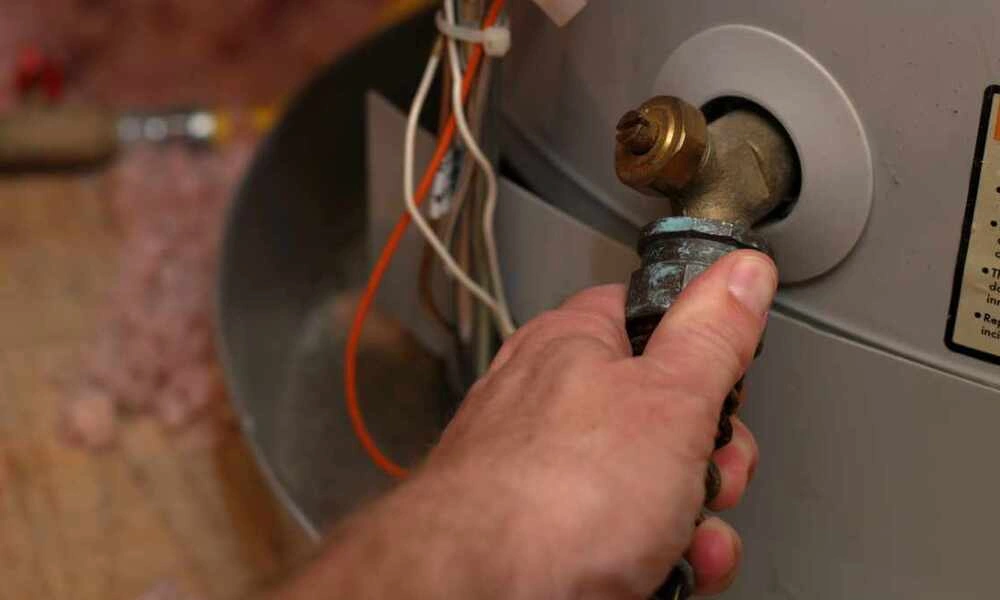
How long does a water heater last? This is a common question for homeowners who rely on hot water for daily comfort and functionality. A water heater plays a crucial role in modern homes, providing warm water for bathing, cooking, and cleaning. Understanding the hot water heater lifespan can help you plan ahead, avoid unexpected breakdowns, and ensure your household runs smoothly.
On average, the life expectancy of water heaters ranges from 8 to 15 years, depending on factors like maintenance, usage, and the type of unit. In this article, we’ll explore what affects a water heater’s life, common signs of failure, when and how to replace your unit, and what you can expect in terms of replacement costs. By the end, you’ll have a clearer picture of how to manage your system’s longevity and keep your home life flowing comfortably.
Average Lifespan of a Water Heater
Understanding the lifespan of a water heater is essential for planning maintenance and budgeting for future replacements. The water heater life varies depending on the type of unit and how well it’s maintained. Below is a breakdown of average lifespans for different types of water heaters:
Gas Water Heaters
Gas water heaters are common in many households and generally have a lifespan of a water heater ranging from 8 to 12 years. These units heat water quickly and are efficient, but they can wear out sooner due to constant exposure to heat and combustion gases.
Electric Water Heaters
Electric models typically last a bit longer than gas units, with an average water heater life of 10 to 15 years. They have fewer components that wear out and are less prone to corrosion, which can extend their usable life.
Tankless Water Heaters
Tankless water heaters offer the longest lifespan of a water heater, often lasting 15 to 20 years or more. Because they only heat water on demand and don’t store it, there’s less stress on the system. While the upfront cost is higher, their longevity and energy efficiency can make them a smart investment over time.
Manufacturer’s Warranty
The manufacturer’s warranty is often a good indicator of the expected hot water heater lifespan. Warranties typically range from 6 to 12 years for tank-style units and up to 15 years or more for tankless models. A longer warranty usually suggests higher quality components and a longer expected life expectancy of water heaters.
What Determines the Lifespan of a Water Heater?
Several factors influence how long a water heating system will function efficiently. While some are related to the unit itself, others depend on usage habits and external conditions. Here’s a breakdown of the key elements:
Type of Unit
The design and technology behind different water heating systems play a big role in how long they last. Traditional tank models tend to wear out faster due to constant heating and water storage, while on-demand (tankless) systems typically last longer because they operate only when needed.
Build Quality
Not all units are created equal. Higher-end models with better materials and construction tend to perform more reliably over time. Units with stainless steel tanks or advanced corrosion-resistant features generally offer longer service life than lower-cost options.
Installation Standards
Proper installation by a qualified professional is critical. Poor setup can lead to issues like leaks, pressure problems, or inefficient operation, all of which can reduce the unit’s operating life. Correct sizing and secure plumbing connections also make a big difference.
Mineral Content in Water
The water running through the system affects how it performs over the years. Hard water, which contains high levels of calcium and magnesium, can cause scale buildup inside the tank or heating elements, leading to reduced efficiency and early wear. Softer water helps minimize this issue.
Usage Patterns
How often the system is used will naturally impact its longevity. A household with high hot water demand such as one with multiple bathrooms or a large family puts more strain on the system than a home with minimal daily use.
Routine Care
Regular upkeep is essential for extending the life of a water heating system. Flushing the tank periodically helps remove sediment buildup, while replacing parts like the anode rod can prevent internal corrosion. Simple maintenance tasks can prevent major failures and keep the system running efficiently.
You may read How To Hide Tankless Water Heater?
What Causes Water Heater Failure?
Water heaters can fail for a variety of reasons, many of which develop gradually over time. Recognizing the most common causes can help you prevent major issues and extend the life of your unit. Here’s what to watch out for:
Sediment Build-Up
- Minerals from hard water settle at the bottom of the tank.
- This reduces heating efficiency and can cause overheating or rumbling noises.
- If left untreated, sediment can lead to tank damage and system failure.
Corrosion Inside the Tank
- Rust and corrosion occur when the tank’s protective lining breaks down.
- A failing anode rod accelerates this process.
- Once corrosion starts, leaks and structural failure are usually inevitable.
Faulty Thermostat or Heating Elements
- A broken thermostat can cause water to be too hot or not hot enough.
- Worn-out heating elements reduce performance or stop heating entirely.
- Electrical faults can also damage internal parts over time.
Excessive Water Pressure
- High pressure stresses the tank, pipes, and valves.
- It increases the risk of leaks, ruptures, and valve failure.
- Installing a pressure-reducing valve can help prevent this.
Lack of Maintenance
- Skipping regular flushing allows sediment to build up faster.
- Ignoring part inspections can lead to unnoticed wear or leaks.
- Poor maintenance significantly shortens the unit’s serviceable life.
Natural Aging and Wear
- All systems degrade with time, even with proper care.
- Seals, gaskets, and internal parts eventually wear out.
- Units over 10–15 years old are much more prone to failure.
Indications That Your Water Heater Is Getting Closer to the End of Its Life
Inconsistent or Insufficient Hot Water
One of the first signs of a failing system is a noticeable drop in water temperature or hot water running out faster than usual. This often means the unit is struggling to maintain heat or the tank capacity is no longer sufficient due to internal issues.
Strange Noises
Popping, banging, or rumbling sounds coming from the tank are typically caused by sediment build-up. As the sediment hardens, it interferes with the heating process and causes the unit to work harder, leading to wear and tear.
Rusty or Discolored Water
If you notice brown, reddish, or murky water coming from your hot taps, it’s a warning sign of corrosion inside the tank. This usually means the inner lining is deteriorating or the anode rod has failed.
Leaks Around the Base
Any water pooling around the bottom of the unit should not be ignored. Even minor leaks can indicate cracks in the tank or loose fittings, which often signal the beginning of the end for the water heater.
Increased Energy Bills
A spike in your utility bills without any change in water usage could point to an inefficient system. As internal components wear down, the unit requires more energy to heat the same amount of water.
Frequent Repairs
If you’re calling for repairs more often whether it’s for a faulty thermostat, a leaky valve, or other parts it’s a clear indication that the unit is wearing out and may not be worth repairing anymore.
Reasons for Replacing Your Water Heater as Soon as Possible
Replacing a failing water heater may feel like a big expense, but delaying it can lead to far bigger problems. Here’s why acting quickly is often the smarter and more cost-effective choice:
Avoiding Water Damage and Home Flooding
An old or damaged unit can develop leaks or even burst, leading to serious water damage. This can affect floors, walls, and even nearby electrical systems. Replacing the unit before it fails helps you avoid costly repairs and potential safety hazards.
Reducing Energy Consumption
Older systems tend to lose efficiency over time, consuming more gas or electricity to heat the same amount of water. A timely replacement can reduce your utility bills by switching to a newer model that uses energy more efficiently.
Improving Water Heating Efficiency
Newer units heat water faster and maintain temperatures more consistently. Replacing your outdated system can improve performance, eliminate hot water delays, and provide a better overall experience.
Ensuring Reliable Hot Water Supply
Frequent breakdowns or inconsistent water temperatures are not just inconvenient—they’re signs that your system is no longer dependable. A new unit provides peace of mind with steady, reliable hot water when you need it.
Taking Advantage of Modern, Energy-Efficient Models
Today’s water heaters come with advanced features like better insulation, digital controls, and energy-saving technology. Upgrading now gives you access to modern efficiency standards, lower operating costs, and potentially even rebates or incentives.
Cost of Replacing Water Heater
When it comes to replacing your water heating system, understanding the costs involved can help you make an informed decision. The overall price depends largely on the type of unit you choose, installation requirements, and additional fees.
Price Range by Type
Traditional tank-style water heaters typically cost less upfront, with prices ranging from $500 to $1,200 depending on size and brand. On the other hand, tankless models usually come with a higher initial price tag, often between $1,000 and $2,500, but offer longer life and better energy efficiency.
Installation Costs
Installation expenses can vary depending on the complexity of the job. For standard tank units, installation typically runs between $300 and $700, while tankless systems often require more extensive plumbing and electrical work, bringing costs up to $1,000 or more.
Permit and Plumbing Costs
Some locations require permits for water heater replacement, which may add $50 to $200 to the total cost. Additional plumbing adjustments or upgrades, such as pressure relief valves or new venting systems, can also increase expenses.
Long-Term Savings from Energy-Efficient Models
While energy-efficient units and tankless systems may cost more upfront, they often lead to significant savings over time through reduced utility bills and lower maintenance needs. This makes them a smart investment for homeowners looking to save money and reduce environmental impact.
If you’re in the Denver area, MileHi Hvac offers expert water heater replacement services designed to fit your needs and budget.
Conclusion
The lifespan of a water heater varies depending on the type and how well it’s maintained, but regular care is essential to keep it running smoothly. We encourage you to inspect your unit for any warning signs or schedule a professional check-up to avoid unexpected breakdowns. At MileHi Hvac, our skilled technicians are ready to help with expert water heater inspections, repairs, and replacements. Don’t wait contact us today to ensure your home always has reliable hot water!
FAQs
Q1: How Long Does A Water Heater Last On Average?
Most water heaters last between 8 to 15 years, depending on the type and maintenance.
Q2: What Factors Affect How Long A Water Heater Lasts?
The lifespan depends on the water heater type, quality of installation, water quality, usage frequency, and regular maintenance.
Q3: How Can I Extend How Long My Water Heater Lasts?
Regular flushing, replacing the anode rod, and timely repairs can help extend the life of your water heater.
Q4: When Should I Consider Replacing My Water Heater Instead Of Repairing It?
If your water heater is over 10-12 years old or showing frequent problems, it’s often more cost-effective to replace it.
Q5: Does The Type Of Water Heater Change How Long It Lasts?
Yes, tankless water heaters typically last longer (up to 20 years) compared to traditional tank models (8-12 years).