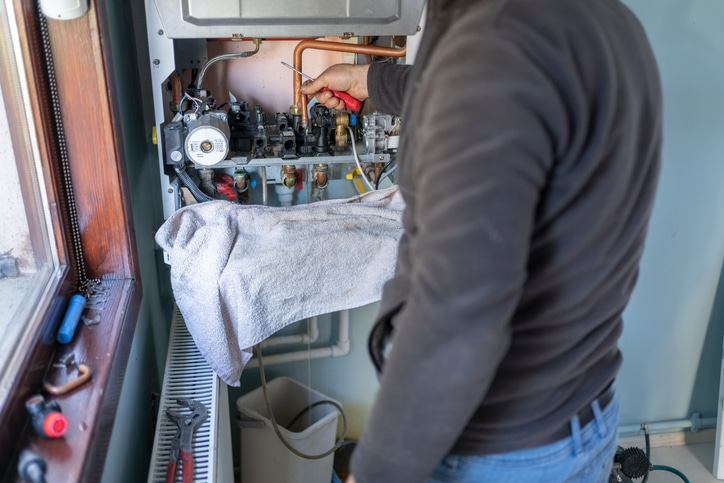
Your furnace keeps your family warm through freezing winters. But like your car, it needs regular checkups to run safely and efficiently. Understanding when is a maintenance required on a furnace helps you avoid expensive repairs and dangerous breakdowns.
Most people ignore their heating system until something goes wrong. That’s a costly mistake. Regular care catches problems early and keeps your home comfortable all winter long.
Is Furnace Maintenance Necessary?
Yes, furnace maintenance is required for every home with a heating system. Your furnace contains complex parts that wear down over time. Without proper care, small issues turn into major failures.
Think about it this way. You change your car’s oil regularly to prevent engine damage. Your furnace needs the same attention. Annual service protects your investment and keeps your family safe.
Safety is the biggest reason for regular maintenance. Gas furnaces produce carbon monoxide, a deadly gas you can’t see or smell. A cracked heat exchanger can leak this poison into your home. During maintenance, technicians check for these dangerous issues before they harm your family.
Money is another good reason. A well-maintained furnace uses less energy and lasts longer. You’ll save on utility bills and avoid replacing your system too soon. Most furnaces last 15-20 years with proper care but only 10-12 years without it.
Your warranty also depends on regular service. Most manufacturers require annual professional maintenance. Skip it, and you might lose warranty coverage on expensive repairs. Keep service records to protect your warranty.
When Is a Maintenance Required on a Furnace: Deep Breakdown
The best time for furnace maintenance is early fall, before you need heat. Most HVAC experts recommend service between September and October. This timing prepares your system for winter and catches problems while repair shops aren’t busy.
Here’s what happens during a complete maintenance visit:
Heat Exchanger Inspection
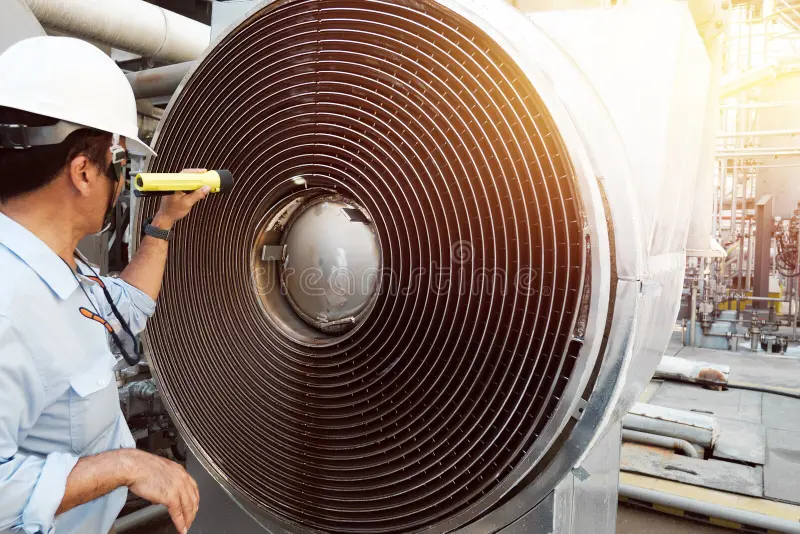
Your technician starts by checking the heat exchanger. This metal chamber heats the air in your home. Cracks in the heat exchanger are extremely dangerous because they can release carbon monoxide.
A combustion analyzer measures how efficiently your furnace burns fuel. This tool spots problems that aren’t visible to the naked eye.
Blower Motor and Capacitor Check
The blower motor pushes warm air through your ducts. If it fails, you get no heat. Technicians test the motor and measure its electrical draw. They also check the capacitor, which helps start the motor.
A failing capacitor shows warning signs during testing. Replacing it during maintenance prevents a complete breakdown later.
Flue Pipe and Venting System
Your furnace needs proper ventilation to remove exhaust gases. The flue pipe and draft diverter carry dangerous fumes outside. Blockages or damage can trap carbon monoxide in your home.
Birds sometimes build nests in vent pipes during summer. Debris can also clog these pipes. Your technician clears any blockages and checks for corrosion.
Ignition System Testing
Modern furnaces use hot surface ignitors or electronic ignition. Older models have pilot lights. Both systems need testing to ensure reliable starts.
A weak ignitor might work fine in fall but fail during the coldest days of winter. Testing catches these issues early.
Cleaning Essential Components
Dust and dirt build up on your blower assembly, burners, and flame sensor. This buildup reduces efficiency and can cause shutdowns. Professional cleaning restores proper operation.
The flame sensor is a small rod that confirms your burners are lit. When it gets dirty, your furnace won’t stay on. Cleaning this simple part solves many heating problems.
Heat Rise Measurement
Heat rise measures the temperature difference between air entering and leaving your furnace. This test confirms your system heats properly. If the measurement is off, your technician investigates the cause.
The Annual Furnace Tune-Up: What You Get
An annual furnace tune-up includes all the checks mentioned above plus additional services. Here’s what makes a complete tune-up:
Filter replacement or cleaning ensures proper airflow. A dirty filter is the most common cause of heating problems. Some maintenance plans include new filters.
Thermostat calibration makes sure your settings match actual temperatures. An off-calibration thermostat wastes energy and reduces comfort.
Gas pressure testing confirms your burners get the right fuel supply. Too much or too little pressure affects efficiency and safety.
Electrical connection inspection finds loose wires and worn components. Electrical problems can damage your system or create fire hazards.
Lubrication of moving parts reduces friction and wear. Some motors need oil annually to run smoothly.
Ductwork inspection spots leaks and damage. Leaky ducts waste up to 30% of your heated air. Sealing them improves efficiency.
You may read Who to Call for Furnace Repair?
Furnace Maintenance Schedule: How Often Do You Need Service?
Most homes need furnace service once per year. This annual schedule works for typical residential systems. But some situations require more frequent attention.
Commercial buildings often need service twice per year. Heavy use puts extra stress on heating equipment. Restaurants, shops, and office buildings should schedule spring and fall maintenance.
Rental properties benefit from annual inspections before each heating season. This protects landlords from emergency repair costs and keeps tenants comfortable.
Homes with pets might need more frequent filter changes. Pet hair clogs filters faster than normal dust. Check your filter monthly and change it when it looks dirty.
Older furnaces near the end of their life need closer attention. If your system is over 12 years old, consider twice-yearly service. Extra checkups help you get the most from your aging equipment.
Why Regular Maintenance Matters: The Benefits of Furnace Maintenance
Regular service delivers real benefits that improve your life and save money. Here’s what you gain:
Lower Energy Bills
A dirty furnace works harder to heat your home. When components are clean and working right, you use less energy. Many homeowners see energy savings of 15-20% after proper maintenance.
Fewer Emergency Repairs
Most breakdowns happen because small problems were ignored. Annual service spots worn parts before they fail. Fixing a $50 part during routine maintenance beats a $500 emergency repair on a freezing night.
Better Air Quality
Your furnace affects the air you breathe. Dirty components spread dust, pollen, and other particles through your home. Clean equipment means cleaner air for your family.
Longer Equipment Life
Regular care extends your furnace’s lifespan by several years. The money you spend on maintenance is less than the cost of early replacement.
Peace of Mind
Knowing your furnace is safe and ready for winter reduces stress. You won’t worry about breakdowns during cold snaps.
Signs Your Furnace Needs Maintenance Now
Between annual service visits, watch for these warning signs:
Strange Noises
Banging, squealing, or grinding sounds mean something is wrong. Loose parts, motor problems, or worn bearings cause these noises. Don’t ignore them. The problem will only get worse.
Uneven Heating
Cold spots in your home suggest airflow problems. Blocked ducts, a failing blower, or thermostat issues cause uneven heating. A technician can diagnose and fix these problems.
Higher Energy Bills
If your heating costs jump without explanation, your furnace is probably struggling. Maintenance restores efficiency and lowers your bills.
Frequent Cycling
Your furnace shouldn’t turn on and off constantly. Short cycling wastes energy and wears out components. Common causes include dirty filters, bad thermostats, or airflow restrictions.
Yellow or Flickering Flame
Gas furnaces should have a steady blue flame. A yellow or flickering flame means incomplete combustion. This creates carbon monoxide and needs immediate attention.
Odd Smells
A burning smell when you first turn on heat is normal. Dust on the burners burns off. But persistent or strong odors need investigation. Never ignore a gas smell. Turn off your furnace and call for emergency service.
Furnace Maintenance Checklist: What to Expect
When you schedule service with Milehi HVAC, our technicians follow a comprehensive furnace maintenance checklist. Here’s what we do:
We inspect all visible components for damage, rust, and wear. Safety controls get tested to ensure they work correctly. Gas connections are checked for leaks using special detection equipment.
Your thermostat is tested and calibrated. We verify it controls your furnace accurately and maintains set temperatures.
All electrical connections are inspected and tightened. Loose wires cause problems and safety hazards.
We measure airflow and check for restrictions. Proper airflow is essential for heating and efficiency.
The condensate drain gets cleared if you have a high-efficiency furnace. Clogs can cause water damage and shutdowns.
We test your furnace under normal operating conditions. This confirms everything works together properly.
Finally, we provide a detailed report of our findings. You’ll understand your system’s condition and any recommended repairs.
How Maintenance Connects to Your Water Heater
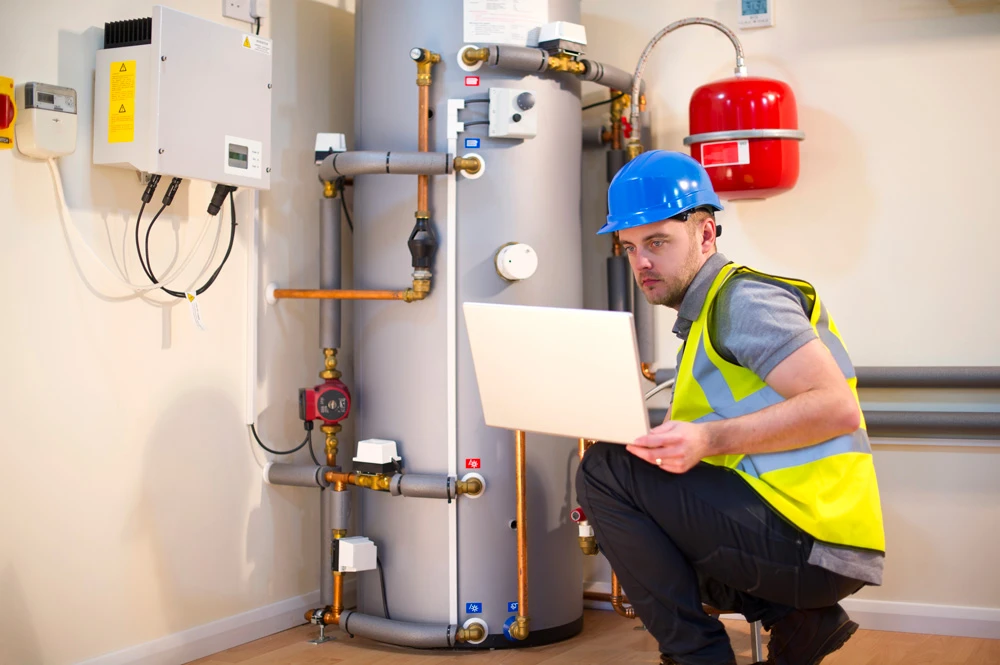
Your heating system and water heater work together to keep your home comfortable. Both need regular attention for best results.
Like furnaces, water heaters need annual maintenance. Sediment builds up in the tank and reduces efficiency. This sediment also causes premature failure.
Milehi HVAC offers water heater maintenance Denver Co services alongside furnace care. When you schedule heating maintenance, ask about water heater service. Getting both done together saves time and money.
Many homeowners don’t realize their water heater needs maintenance. But regular service extends its life and prevents leaks that cause water damage.
Choosing the Right HVAC Company
The quality of your maintenance depends on who does the work. Look for these qualities in a service provider:
Experience matters. Companies with years in business have seen every problem. They know how to fix things right the first time.
Proper licensing and insurance protect you. Always verify credentials before hiring anyone.
Transparent pricing means no surprise charges. You should know costs before work starts.
Good reviews from real customers show reliable service. Check multiple review sites to get a complete picture.
Milehi HVAC brings all these qualities to every job. Our experienced technicians provide thorough service that keeps your equipment running safely. We serve homeowners throughout Denver with honest, reliable HVAC solutions.
What Happens If You Skip Maintenance?
Skipping annual service seems like a way to save money. But it costs you more in the long run.
Your energy bills will be higher. A dirty, poorly maintained furnace uses more fuel to heat your home.
You’ll face more repairs. Small problems become big ones when ignored. A $100 maintenance visit prevents $1,000 in repairs.
Your furnace won’t last as long. Equipment that doesn’t get care wears out faster. You’ll replace your system years earlier than necessary.
Your warranty becomes void. Most manufacturers require proof of annual maintenance. Without it, they won’t cover repairs even if your furnace is new.
Your family’s safety is at risk. Carbon monoxide leaks and gas problems develop slowly. Annual inspections catch these dangers early.
Conclusion
Regular furnace maintenance protects your home, family, and wallet. Annual service in early fall prepares your system for winter and prevents expensive breakdowns. Don’t wait until your furnace fails. Schedule your maintenance with Milehi HVAC today. Our comprehensive service includes everything your furnace needs to run safely and efficiently all winter. Contact us now for professional heating and water heater maintenance Denver Co services you can trust.
FAQs
When is a maintenance required on a furnace?
Furnaces need professional maintenance once per year, ideally in early fall before heating season. September or October is the best time to schedule service.
What happens during a furnace maintenance visit?
Technicians inspect all components, test safety controls, clean essential parts, check for gas leaks, measure efficiency, and identify any needed repairs.
Can I skip furnace maintenance if my system seems fine?
No. Problems develop slowly and aren’t always obvious. Annual maintenance catches issues before they cause breakdowns or safety hazards.
How much does furnace maintenance cost?
Most maintenance visits cost $100-$200. This small investment prevents much more expensive repairs and emergency service calls.
Does maintenance really extend furnace life?
Yes. Well-maintained furnaces last 15-20 years while neglected systems fail after 10-12 years. Regular care adds years to your equipment’s life.