
In winter, when you are using hot water for several things like washing dishes, bathing, cleaning it is essential that you should enjoy hot water without any issues. But there are some problems which homeowners face when getting hot water and one of the questions that homeowners ask is what does water heater sediment look like? When your water looks cloudy, leaves residue in the sink and you notice strange noises in the water heater it means it is due to sediment. That’s why understanding about sediment risks, causes is important for homeowners to take safety measures and save themselves from expensive repairs.
In this blog from MileHi HVAC we will explain to you how sediment builds up, how it looks and why you have to maintain regular maintenance for keeping your system performance efficient.
What Is Water Heater Sediment?
Sediment in water is due to several minerals like magnesium, calcium, sand and limestone. It occurs naturally because of these minerals. In water heaters when cold water heats up all these chemicals separate and settle at the bottom of the tank. With time it increases and leads to sediment buildup which affects the internal components and reduces efficiency and performance of heaters.
What Does Water Heater Sediment Look Like?
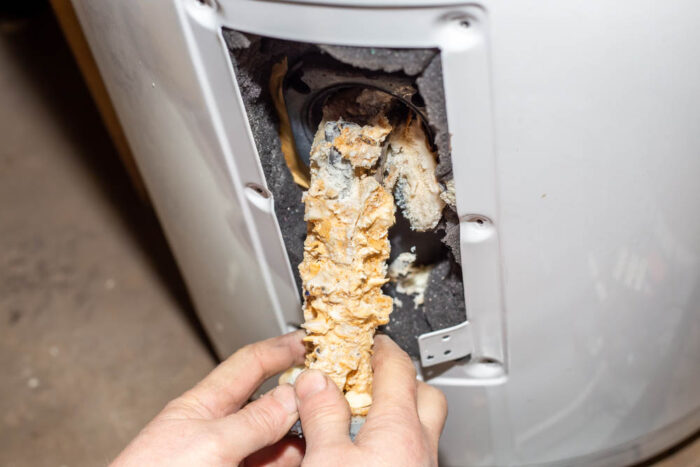
The question: what does water heater sediment look like? It occurs in several forms depending upon the type of water and severity and sediment buildup.
Some sediment forms include:
- Small grains of sand at the bottom
- Cloudy water from taps coming from water heater
- white , grey and tan flakes in hot water
- Residue that left behind after water evaporates
Sometimes when you are flushing your tank sediment from a hot water heater comes out in the form of thick sludge.
Why sediment buildup is a problem
Sediment in a hot water heater is a problem because it results in inconvenience. As it builds up at the bottom of the tank and without any flushing and maintenance it creates barriers and disturbance between heating elements and water.
This problems results in:
- Increase in bills
- Affects the water heater efficiency
- Taking more time in delivering hot water
- Overheating and problems in heating components
Sediment is not a minor issue that can be ignored if it remains unaddressed it may result in failure of the tank.
Read More: Does a Gas Water Heater Have an Anode Rod?
How Water Heater Sediment Build Up Develops Over Time
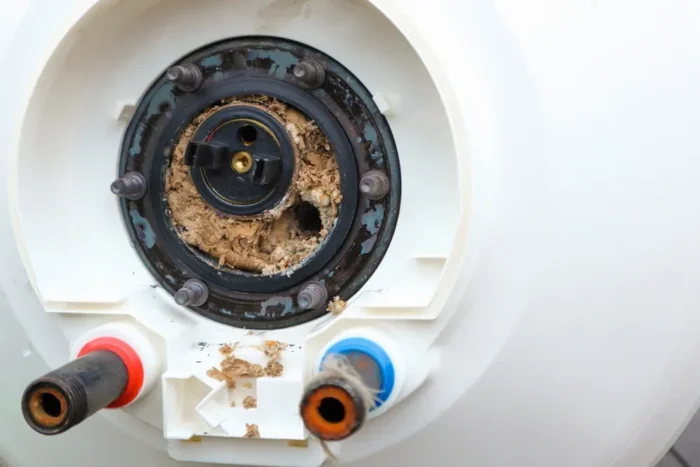
Sediment buildup is not a quick process; it slowly gathers at the bottom of the tank. When water heaters heat water then all the minerals settle at the bottom of the tank and after time results in water heater sediment buildup.
With time this build up can:
- Causes popping sound during the working of water heater
- Leads to uneven heating
- Sometimes it leads to cracks and lining in tank
Is Salt Around the Water Heater a Sign of Sediment?
When homeowners notice salt around the base of the water heater they become alert that there is some issue like sediment buildup. This salt appearance is due to the minerals in water which is left behind as a residue when water evaporates.
The presence of salt around water heater is a signal that indicates:
- Excessive mineral content in water
- Condensation is mixed up with residue
- Minor leaks caused by corrosion
This buildup of salt does not mean that the system is leading towards failure but it should not be ignored and needs professional maintenance from experts like MileHi HVAC.
Causes of sediment buildup
Sediment buildup is due to several factors like:
- Aging water heaters
- Hot water temperatures
- Water with a lot of minerals
- Lack of proper maintenance and flushing
Areas which have hard water faces this issue frequently and they need daily maintenance and flushing for maintaining their water heaters
How Sediment Affects Water Heater Performance
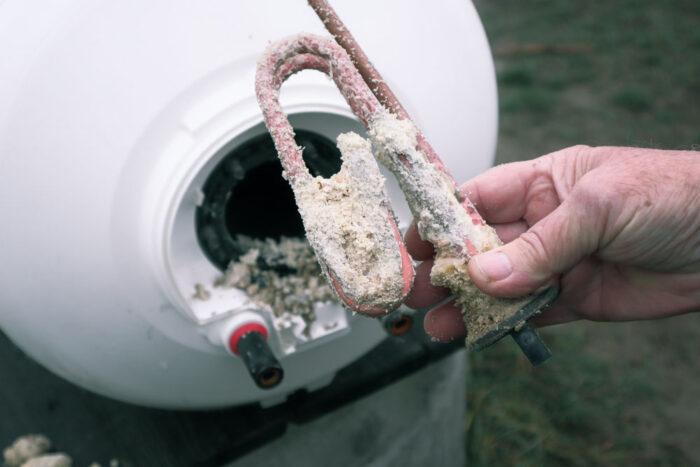
When sediment from the hot water heater is ignored and left behind this forces the system to work even harder which results in further issues in heating components. This affects overall performance and efficiency of water heaters.
It leaks to long term consequences:
- Reduced hot water capacity
- Higher bills
- Shortens lifespan of water heaters
- Increased risk of tank leaks and failures
Safely preventing and removing sediment
One of the best ways to prevent and remove sediment is regular flushing which homeowners can easily do on their own, flushing removes minerals when they are soft easily before they style down and become hardened. Many manufacturers recommend to flush your tanks once a year
Professional assistance from Milehi HVAC ensures:
- Proper draining of the tank
- Improves efficiency and performance
- Inspect for leaks and damages
Contact MileHi HVAC for professional maintenance
Our team at MileHi HVAC efficiently resolves the issues of sediment buildup and its removal. Whether you are facing any type of issues like cloudy water, unusual noises and residue or a trained team will resolve and settle all the issues.
Our services include:
- Flushing and removal of sediment
- Inspection of water heaters
- Honest recommendation related to repairs and replacement
- Performance optimization

Conclusion
Knowing about what sediment builds up in water heaters looks like they help homeowners to notice the signs and take actions on time before any damage and saves the system. Sediment may look harmful and many people ignore this but with time it may fail your entire heating system or lead to frequent issues. Through routine maintenance and assistance from MileHi HVAC you can get clean hot water, lower costs , efficient and long lasting performance of the water heater.
Don’t let sediment buildup turn into a costly nightmare—contact MileHi HVAC, your trusted Denver HVAC heater repair experts, today for professional maintenance that keeps your water heater running smoothly and efficiently.
FAQS
What does water heater sediment look like when it comes out of the tap?
It often looks like cloudy or rusky water, salt buildup and white, grey flakes in sinks and baths when you are using hot water.
Is sediment in a hot water heater dangerous?
Sediment in a hot water heater is not dangerous and harmful for health. However this buildup at the bottom of the tank affects the performance and efficiency of the tank if it remains unaddressed and ignored for a longer time.
How often should a water heater be flushed to remove sediment?
For removing water heater sediment buildup many manufacturers recommend that flushing your tank at least once a year is enough.
Why do I see salt-like residue near my water heater?
The appearance of salt around water heaters means that there are minerals in water and these salt particles are left behind when water evaporates and it is s signs of sediment and minor leaks.
Should I call a professional for sediment removal?
Yes you should contact professionals like Milehi HVAC for removal of sediment which keeps your system upgraded and efficient for a longer period without any problems.