
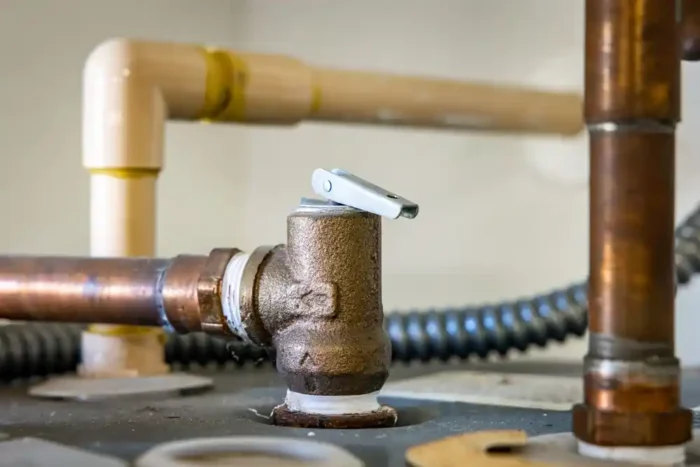
Observing water leaking from pressure relief valve on water heater systems can be intimidating, even if the unit appears to be functioning properly otherwise. Several homeowners see it drip or puddle around the base of the tank and assume the heater will die before long. The truth is, the pressure relief valve is a safety feature—and when it leaks, it’s most likely alerting you to something that needs attention.
In this comprehensive MileHi HVAC guide, the professionals discuss why this occurs, what it means for your water heater, and how to safely correct the problem before it causes more and more costly damage.
What a Pressure Relief Valve Does and Why It Matters
The pressure relief valve is a critical safety element on your water heater. It is designed to vent pressure or temperature within the tank prior to attaining hazardous levels. A water heater could over-pressurize and cause an explosion if it did not have this valve.
As the valve opens just a bit, water flows through, relieving pressure on the tank. But leaking on and off or dribbling all the time typically indicates that there’s a problem underneath that needs fixing, not ignoring.
Common Reasons a Pressure Relief Valve Starts Leaking
A relief valve bled down doesn’t necessarily mean it’s defective. In most cases, it’s responding to a condition inside the tank that is unusual. Knowing what causes this will help you know if it’s an easy fix or if you need to call over your mobile mechanic.
Ignoring the signs of trouble could result in tank damage, water waste, or system failure. This is why at MileHi HVAC, we recommend to get root cause identified first.
Excessive Water Pressure in the Plumbing System
The most frequent cause of a hot water pressure release valve leaking is high water pressure. When the pressure becomes too high, the valve pops open, and overpressurized water is discharged inside a tank to prevent damage.
This is a very common occurrence in homes that do not have a pressure-reducing valve or thermal expansion tank. Eventually, recurring pressure spikes will lead to continuous dripping and wear on internal components.
Thermal Expansion Inside the Water Heater Tank
Water expands as it warms. In the closed plumbing system, expansion has nowhere to go, and pressure builds rapidly in the tank.
That’s when you might see a water heater pressure relief valve dripping, particularly during heating cycles. Adding an expansion tank will usually provide the best long-term solution.
Faulty or Worn-Out Pressure Relief Valve
Pressure relief valves have a finite lifespan. Mineral deposits, rust, or aging can keep the valve from closing completely, causing a slow, constant leak.
If the valve drips at a time when pressure and temperature are within normal limits, the safest choice is usually to replace it. This is a comparatively low-cost repair if caught early.
Read More: Is a Leaking Water Heater Dangerous?
Why You Should Never Ignore a Leaking Relief Valve
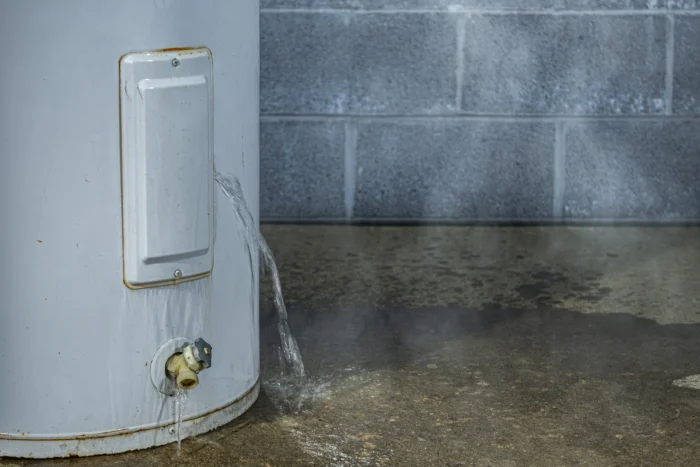
For example, many homeowners dismiss small leaks as an annoyance and not as a warning. Sadly, that way of thinking often results in more extensive and expensive repairs in the future.
Water heater leaking from relief valve is one of the signs that indicate the tank is getting weaker day by day. Constant strain makes the unit more susceptible to internal damage and shortens its life.
Risk of Tank Damage and Premature Failure
Repeated venting taxes the tank walls. Over time, this stress can cause internal cracking or corrosion. When the tank itself is compromised, replacement is the only option — turning a minor problem into a major expense.
Water Damage and Increased Utility Bills
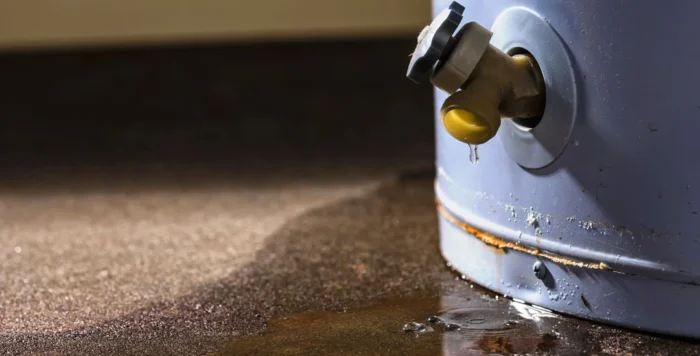
Slow drips, too, can contribute to several gallons of wasted water per day. This causes not only your utility bills to increase, but also elevates the chance of water damage near the heater.
Condensation can cause mold, damaged floor, and rusted parts if not addressed.
How Professionals Diagnose Relief Valve Leaks
And without a doubt, you need an accurate diagnosis before replacing parts. They don’t merely swap out the valve—they actually test the system conditions that caused it to open in the first place. At MileHi HVAC, technicians check the pressure levels, temperature settings, and the expansion control device to make sure the repair is the correct one.
Pressure Testing and System Evaluation
Technicians employ pressure gauges to test the static and dynamic water pressure in the entire home. This allows you to know if the pressure spikes up during heating cycles.
They also check for the lack of or undersized expansion tanks that lead to a buildup of internal pressure.
Inspecting the Hot Water Tank and Valve Assembly
The body of the valve is inspected for rust, dirt, or damaged o-rings. The state of the hot water tank pressure relief valve will often let you know if replacement is all you need to do.
If there is scaling, they may also suggest flushing the tank to enhance the tank’s overall performance.
DIY vs Professional Repair: What’s Safe and What’s Not
Some homeowners try quick fixes like tightening fittings or draining small amounts of water. Though it’s fine to do a little troubleshooting, improper repairs can be hazardous.
Relief valves are safety devices—wrong installation or adjustment will increase risk rather than mitigate it.
When a Simple Adjustment May Help
A decrease in pressure buildup can be the result of adjusting the water heater temperature. Inspecting a clear visible discharge pipe for clogs also isn’t going to hurt.
Some of these actions may reduce the drips temporarily, but none of them substitutes for diagnosis.
When to Call a Licensed HVAC Professional
If the leak persists, professional service is recommended. Replacing or modifying safety-related components is an involved process that requires expertise and knowledge of the codes.
MileHi HVAC guarantees safe, effective repairs that meet manufacturer standards.
Preventing Future Pressure Relief Valve Problems
Maintenance prevention is the most effective way to prevent dripping again. A few simple upgrades and routine maintenance checks can give you the gift of years more use from your water heater.
An early adjustment for pressure control will help save your system and your home.
Installing an Expansion Tank
Expansion tanks pressurize the excess pressure resulting from thermal expansion. These are particularly essential in today’s sealed plumbing systems.
That one upgrade eliminates much, if not all, of your valve drip.
Scheduling Routine Maintenance
Regular checks enable busy mechanics to identify early signs of pressure imbalance, corrosion, or valve fatigue.
Regular maintenance allows your system to operate safely and efficiently throughout the year.
Conclusion
Water leaking from a pressure relief valve is a serious sign of high pressure or thermal expansion that shouldn’t be ignored. As Denver HVAC heater repair experts, MileHi HVAC provides the early diagnosis needed to prevent system failure and costly water damage. Our professional service ensures your home stays safe while extending the life of your equipment.
Don’t wait for a burst pipe—Call MileHi HVAC today for expert water heater repair!
Frequently Asked Questions (FAQs)
Is it dangerous if a pressure relief valve is leaking?
Yes, it can be a sign of pressure that is unsafe and will cause the tank to fail if not addressed.
Can I stop the leak temporarily on my own?
You can set the temperature to a lower value, but you should have it checked out professionally.
How long is a pressure relief valve good for?
Depending on the quality of water and amount of use, they generally last for 3 to 5 years.
Will the problem be fixed permanently if I replace the valve?
Only if you also deal with your pressure and your expansion.
Do I need a new water heater if the valve is leaking?
Not necessarily. Early treatment will often prevent total replacement.
Can city water pressure be too high and cause valve leaks?
Yes, high inbound pressures are a very common culprit.