
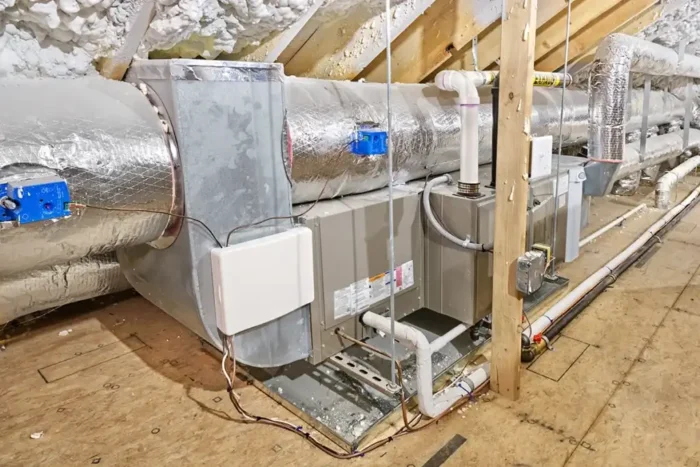
When homeowners started to learn about the forced air heating system and its operations one of their frequent questions is that is forced air heating gas or electric. So it is important to understand that forced air refers to how heat is distributed not only on what energy source produces heat.
Knowing about whether your system runs on gas or electricity is very important as it helps you in safety, maintenance and energy efficiency. So in this tutorial you will go through from identifying your system type to understanding about the energy source of forced air heating.
At Milehi HVAC we guide homeowners in making informed and right decisions related to their HVAC systems. Let’s dive into further detail.
What Is Forced Air Heating?
Forced air heating is one of the most popular heating systems in modern homes. It delivers warm air by heating air in a furnace or air handler and then distributes it through ducts throughout the home using a blower fan.
However it mostly operates using different fuels. So it can operate on both gas or electricity.
- Some home rely on gas furnace
- Many homes rely on electric heating elements
- Most systems use heat pumps or hybrid solutions.
Gas vs Electric Forced Air Systems
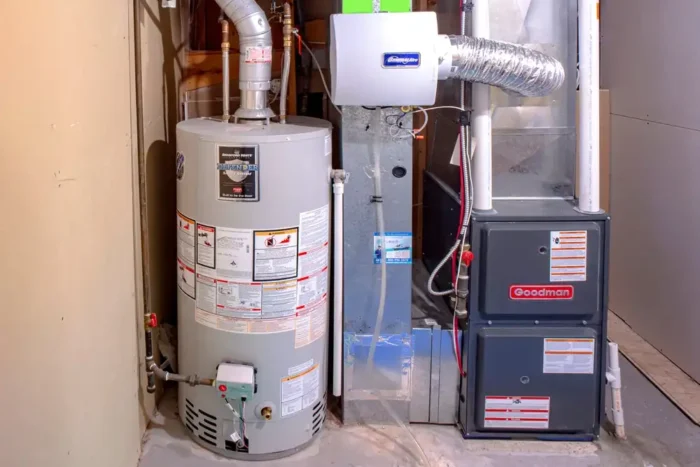
For understanding forced air heating gas or electric one of the key factors is recognizing the difference between these system types.
Gas Forced Air Systems
A gas or electric forced air system is powered by natural gas or propane which generates heat in a furnace through burning fuel. After that blower fan pushes that heat throughout the home.
Advantages
- Lower operating costs in many regions
- Faster heating performance
- Strong heat output for cold climates
Considerations
- Requires gas lines and ventilation
- Needs regular safety inspections
- Installation may be more complex
It is observed that many homeowners prefer a gas or electric forced air system using gas because of its energy efficiency and performance using harsh winters.
Electric Forced Air Systems
So electric forced air systems use electric heating elements or coils for heating air before passing it through the ducts.
Advantages
- Easier installation
- No combustion or gas supply required
- Lower upfront system cost
Considerations
- Higher electricity costs in some areas
- Slightly slower heating response
- May struggle in extremely cold temperatures
Having some knowledge about the energy source of forced air heating is important for homeowners as they can easily decide about which type of system is suitable according to weather conditions and budget.
Is My Heater Gas or Electric? Simple Ways to Tell
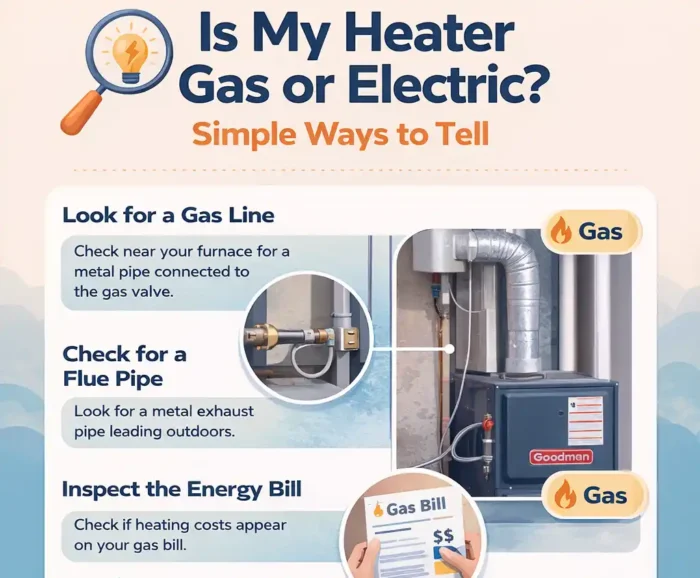
If you buy a new heating system and are wondering about is my heater, gas or electric? Here are many simpler easy ways through which you can identify it.
Look for a gas line
Check near your furnace a metal pipe connected to the gas valve. If you see that pipe or connection then the answer is likely you have a gas system.
Check for a Flue Pipe
Gas systems often require a ventilation system. If you notice a metal exhaust pipe leading outdoors usually refers to a gas furnace.
Inspect the Energy Bill
If your heating cost appears on a gas bill then it probably means that you have a gas system.
So from these easy checks you can easily identify the energy source of forced air heating without any professional tool or assistance.
Read More: What Is Forced Air Heating?
How to Tell If Your Heater Is Gas or Electric
Another most common question is how to tell if your heater is gas or electric without opening the unit.
Follow these practical tips:
Listen for Burner Ignition
When the burner operates it usually makes a clicking sound. So this is a key sign for identifying your system type and this burner ignition means that you have a gas system.
Check the System Label
For easy identification many manufacturers usually include fuel type information on the unit plate.
Observe Heating Speed
Gas units often produce heat faster than the electric units.
Why the Energy Source Matters
Understanding about the energy source of forced air heating is important for several reasons.
Operating Costs
Gas systems are cheaper than electric and heat large homes and spaces.Although the prices of electricity varies by region.
Efficiency Ratings
Nowadays modern furnaces and electric systems offer different types of efficiency standards. That’s why choosing the right gas or electric forced air system significantly positively impacts your annual energy usage.
Environmental Impact
Electrical systems are more eco friendly due to renewable energy sources as compared to gas systems.
Safety Considerations
In case of gas furnaces they require carbon monoxide monitoring and ventilation maintenance.
At MileHi HVAC our expert team helps homeowners in evaluating energy sources of forced air heating to maximize comfort and efficiency.
Gas or electric systems: Maintenance differences
Gas system maintenance
- Annual burner inspection
- Heat exchanger safety check
- Ventilation cleaning
- Filter replacement
Electric System Maintenance
- Heating coil inspection
- Electrical connection tightening
- Blower motor servicing
- Filter replacement
Whether you are figuring it out is my heater gas or electric or scheduling professional maintenance extends the lifespan of your system.
When to Call HVAC Professionals
After all these steps if you are still confused about how to tell if your heater is gas or electric then contact professionals for help.
Seek experts assistance if:
- The performance of your systems drops suddenly
- You notice sudden increase in your energy bills
- System cycles frequently
- You smell gas or burning odors
Our team significantly identifies the system type and recommends improvements based on the energy source of forced air heating.

Which is the best: Gas or electric forced air heating
For choosing which is the best and suitable option for you consider these factors before making any decision.
- Weather conditions
- Your budget for installation and operation
- Home insulation quality
- Utility availability
- Environmental preferences
However both options can provide reliable comfort if it is sized properly and maintained.
Final Thoughts
So is forced air heating gas or electric? The answer is simpler: it can operate using both gas and electricity depending upon the system type and design. Having some knowledge about whether my heater is gas or electric? Energy source of forced air heating and how to tell if your heater is gas or electric homeowners can easily make smarter decisions about maintenance, upgrades and energy efficiency.
Whether you operate a gas or electric forced air system, professional guidance ensures safe and cost-effective heating performance. If you need any type of help, servicing, or Denver furnace installation, MileHi HVAC is always here to help.
FAQS
Is forced air heating gas or electric in most homes?
They can be both. Many homes use gas furnaces but electric forced systems are common especially in warmer regions.
How can I quickly know if my heater is gas or electric?
You can easily determine it by checking the gas line,flue pipe or review your utility bill for determining the fuel source.
Which gas or electric forced air system is cheaper to run?
Gas systems are often cheaper in cold climates. Electrical systems are more costly depending upon the rates of electricity.
What is the main energy source of forced air heating today?
Natural gas is still a common source of forced air heating systems but electric heat pumps and hybrids are growing in popularity.
Should I call a professional if I can’t tell if your heater is gas or electric?
Yes. MileHi HVAC can safely inspect and confirm your system type.