

Are you wanting to replace the water heating system in your house or are you sick of taking chilly showers? Although installing a gas water heater may appear difficult, it is completely possible with the correct advice, equipment, and safety precautions. We at MileHi HVAC have assisted numerous homeowners in comprehending and effectively carrying out this task. We’ll walk you through the process of how to install a gas water heater in this tutorial, along with advice on how to safely replace a gas hot water heater, installing a used gas water heater yourself and replacing a water heater.
Understanding about gas water heater
It’s crucial to understand what you’re working with before beginning the installation. Tank-style and tankless gas water heaters are the two primary varieties. The conventional tank-style gas water heater which stores and heats water for your home’s requirements, is the main topic of this tutorial.
Important elements consist of:
- The water is heated to your preferred temperature using a gas burner and thermostat.
- By releasing excess pressure, a pressure relief valve provides safety.
- Water inlet and outlet pipes control how much water enters and exits the tank.
- Combustion gasses are safely expelled by the vent system.
Knowing these parts will make it easier for you to replace a gas hot water heater or a replacing a water heater.
Required Tools and materials
To begin the process of how to install a gas water heater, collect the following:
- Pipe wrench with adjustable wrench
- Screwdrivers
- Teflon pipe tape
- Adaptable water connectors
- Fittings and connections for gas lines
- pipe for venting (if necessary)
- A bucket or other container to remove used water
You may read Does a Gas Water Heater Need Electricity?
Step-by-Step Guide: How to Install a Gas Water Heater
Switch off the supply
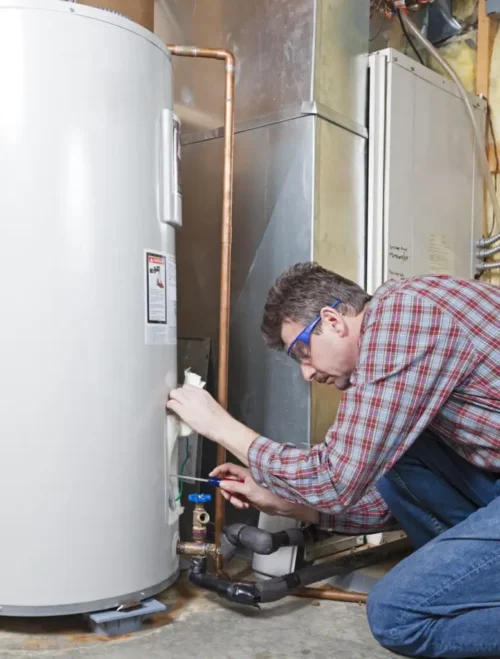
Turn off the main water supply and gas supply before beginning any installation. If there are electronic components in your water heater, turn off the electricity. Pour any leftover water into a bucket from the old heater.
Take Out the Old Heater
This is the first stage in replacing a water heater. Cut off the gas, water and venting lines. The old tank should be carefully removed and disposed of in accordance with local laws.
Set the New Water Heater in Place
Put the new heater in its proper location which is typically a utility closet, basement or garage. Make sure there is enough space between it and any walls or combustible objects, and that it is level.
Join Water Lines
- Use flexible connections to connect the hot water exit and cold water input.
- To guarantee a tight seal, wrap pipe tape around each thread.
- Check for leaks and gradually open the water supply.
Attach the Gas Line
When replacing a gas hot water heater, this is an essential step:
- Use pipe tape and appropriate fittings.
- To prevent leaks make sure the gas line is securely fastened.
- Use a soap solution to check for leaks, bubbles show a leak.
Let the Heater Out
Connect the vent pipe to the exhaust output of the heater. To avoid hazardous carbon monoxide accumulation, proper venting is crucial. Make sure the vent pipe is clear of obstructions and has a little upward angle.
Light the Pilot and Conduct a Test
To light the pilot light, adhere to the manufacturer’s instructions. Set the thermostat to the suggested temperature which is often 120°F. Verify that the heater runs smoothly and that hot water flows from faucets.
Last Safety Inspections
- Lift the lever of the pressure release valve a little to make sure it is operational.
- Make sure there are no leaks in any of the connections.
- When installing a used heater, keep an eye on its operation for a few days to make sure there are no hidden issues.
Tips for Installing a Gas Water Heater
If in doubt, consult an expert: Gas lines can be hazardous if handled improperly. A consultation with a qualified professional is worthwhile, even if you feel comfortable installing a used gas water heater on your own.
Verify local regulations: Replacing a water heater may require a permit in some localities.
Upgrade old pipes: If the plumbing in your house is out of date you might want to replace the pipes along with the new heater.
Frequent maintenance: To keep sediment from accumulating and prolong the life of your water heater flush the tank once a year.
Final thoughts
Homeowners can safely manage their own systems by learning how to install a gas water heater. Whether replacing an old unit or installing a new one, proper guidance ensures a safe, efficient setup. For peace of mind, trust MileHi HVAC for professional gas water heater installation near Denver. Our expert team guarantees your water heater works effectively for years to come. Don’t risk leaks or safety issues—let our certified technicians handle it. Call MileHi HVAC today to schedule your gas water heater installation and enjoy reliable hot water!
FAQS
Can I set up a gas water heater on my own?
Yes if you know how to do basic do-it-yourself projects like plumbing. Always abide by local codes and manufacturer guidelines for safety. You can install a used gas water heater by yourself but you must exercise extra caution.
How much time does it take to replace a water heater?
If there are no issues a typical tank-style heater will take two to four hours.
How long does a gas water heater last?
Although it can be extended with good maintenance the average lifespan is 8 to 12 years.
Should I get a new gas hot water heater of the same size?
In general, you should match the tank capacity to your home’s needs but even smaller modern heaters might be more efficient.
After installation, how can I stop leaks?
Before completing, test the system for leaks, use pipe tape and inspect all connections.