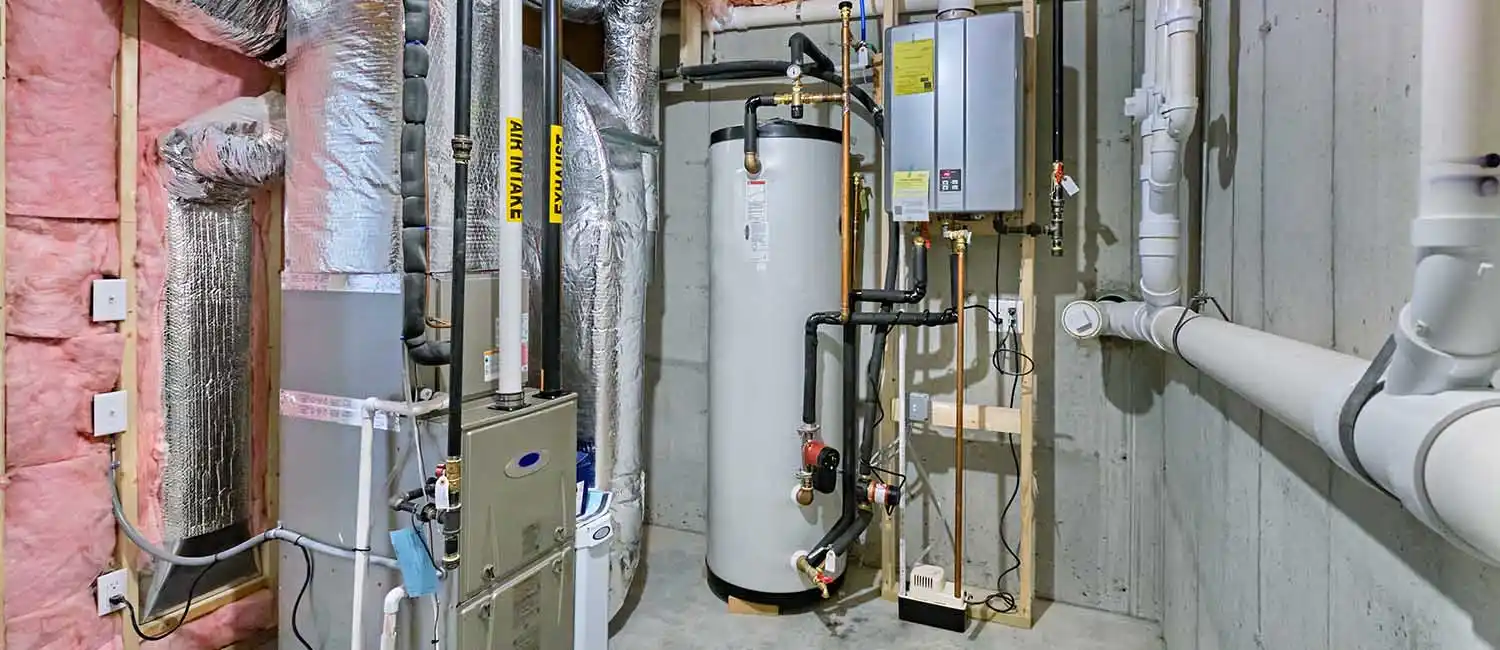
Knowing how much energy does a water heater use matters if you are a homeowner aiming at controlling the utility bills and increasing energy efficiency. Hot water is a major energy expense in any home, but most people have no idea how much power their system is drawing hour to hour.
In this article, the MileHi HVAC experts explain water heater energy consumption in plain, useful language. You will find out the factors that influence usage, average consumption for different systems, and tips to reduce energy consumption whilst maintaining comfort.
Why Water Heaters Consume So Much Energy
Water heaters are unobtrusive, but they turn on many times during the day. A certain amount of energy is required to heat water to a usable temperature for each shower, load of laundry, and dish cycle. The demand for hot water is always on, so even efficient systems can use a lot of power over time.
There is also standby heat loss. Conventional tank-style water heaters keep hot water on hand 24/7, and energy is continually committed to maintaining the temperature whether or not someone is using hot water.
Factors That Influence Water Heater Energy Consumption
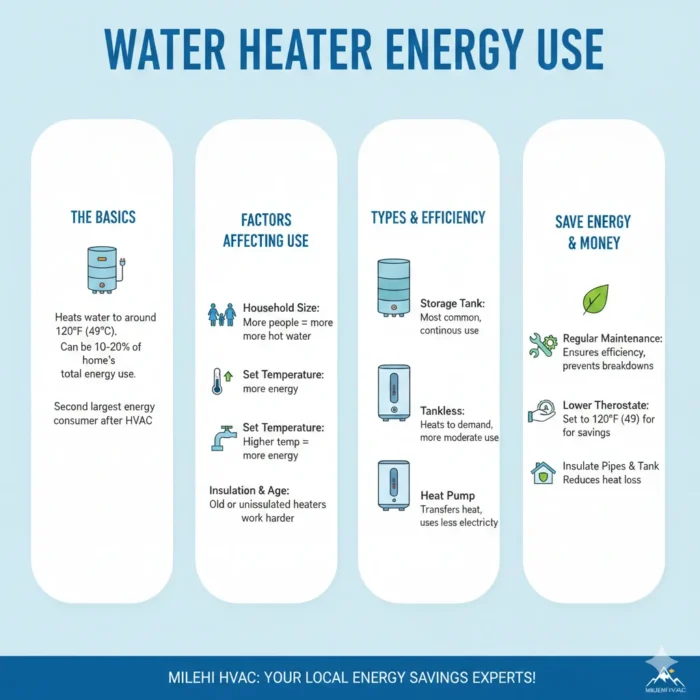
Several things determine the energy usage of your water heater each month. These variables can vary greatly between homes, so if you don’t want to trust an average number, you’ll need to know what’s specific to your own home.
The size of the household, habits in usage, type of water heating, and temperatures all influence. The more often the hot water is used, the harder the system must work to meet the demand.
Water Heater Size and Capacity
Large tanks take more energy to heat and keep warm. A five-person family needs a bigger system than a single person, and that means more energy use.
Too large a unit can also waste energy by heating more water than needed, whereas too small a system might run continuously, leading to increased wear and power consumption.
Temperature Settings and Daily Usage Habits
Increased temperature settings lead to greater energy requirements. A lot of water heaters are set higher than they need to be, which makes the system run harder than it should all day long.
Long showers, running household appliances at the same time, and high demand for hot water are a few of the factors that can contribute to power usage increasing over time.
Comparing Gas and Electric Water Heater Energy Use
The type of water heater you have can have a big effect on when your energy use peaks and how high it jumps . Electric and gas systems have different operations and conversion methodologies.
These variations are useful to be aware of, as they can make a big difference in the long run when choosing the most cost-effective and energy-efficient solution based on individual needs.
Gas Water Heater Performance and Efficiency
Gas waterheater energy usage is frequently less in operating cost among those with natural gas access in locations where the prices are low, but this depends on how you value your time and your tolerance for waiting for hot water. Gas models heat water faster and have faster recovery rates than electric models.
They can lose more heat through venting and generally have a slightly lower efficiency rating than the electric equivalents.
Electric Water Heater Operating Costs
Electric water heater energy consumption is typically more efficient in energy to heat conversion, but the electricity cost of running an electric water heater can bring the daily cost of operation higher, depending on local utility rates.
Electric units are simpler to install and maintain, which explains their popularity in small homes and apartments.
Read More: Does a Gas Water Heater Need Electricity?
How Much Energy Does a Water Heater Use Per Day
With cell phones, for example, many people are surprised when they do the daily energy use math. Water heater power consumption per day varies greatly depending on the demand of the household and the efficiency of the unit.
Conventional tank water heater: Traditional tank water heaters may consume 3,000 to 4,500 watts on average during active heating cycles. During the day, this drains fast, especially if you have a large family that uses hot water regularly.
The Role of Energy Efficiency in Water Heating
The term hot water heater energy efficiency refers to the efficiency with which a unit generates hot water. More efficient models produce less waste and can save on monthly utility bills.
Contemporary water heaters also have better insulation, more sophisticated heating elements, and “smarter” controls that minimize the amount of energy wasting heat into the environment when the water is not being used, which is a common problem with older models.
Energy Factor (EF) and Uniform Energy Factor (UEF)
Efficiency ratings like EF and UEF tell how well a unit performs. The greater the score, the better the energy efficiency and the cost-effectiveness of the device.
When you’re comparing, these ratings offer a reliable way to estimate possible long-term energy savings rather than just looking at the initial cost or price tag.
Impact of Insulation and Maintenance
Inadequate insulation allows this heat to escape, meaning the system has to reheat water more often. Periodic maintenance helps maintain clean and functional components.
Yearly inspections can help you conserve energy, increase the life of your equipment, and minimize the chances of a sudden surge in energy consumption.
Tank vs Tankless Water Heaters: Energy Differences
Tankless water heaters are more efficient because they heat water on demand rather than heating and storing hot water in a tank. This design can lead to a reduction in the total energy consumption for moderately demanding households.
Nevertheless, tankless units can consume a significant amount of energy when in use, which may not be well-suited for homes with a high simultaneous hot water demand.
Reducing Water Heater Energy Costs Without Replacement

It’s not all that unusual for a home to not need a new system in order to see a drop in energy bills. A few small changes, and you can really see some results in overall use.
Modest adjustments, including lowering temperature levels or increasing insulation, can yield savings almost straight away.
Practical Energy-Saving Tips for Homeowners
Preserving the shower head and faucet, low-flow products consume less hot water without compromising comfort. Appliance use can also be staggered, which helps to prevent the system from being overworked.
For customized accounts on energy efficiency, many homeowners choose to consult leading professionals such as MileHi HVAC for advice.
When to Upgrade for Better Energy Efficiency
Traditional water heaters waste large amounts of energy. If your system is more than 10 to 12 years old, the energy loss might be more than the repair cost.
Replacing your system with a high-efficiency unit may help you save energy, increase comfort, and save money in the long run.
Conclusion
Knowing how much energy does a water heater use can help you be a bit more informed when making decisions regarding efficiency, usage patterns, and system replacement. From immediate consumption to long-term operating cost, all these factors shape your home energy profile. With expert advice from MileHi HVAC, homeowners will be able to detect inefficiencies, cut down on waste, and ensure their water heating system is running at full capacity for a lifetime of maximum efficiency.
Scheduling regular water heater maintenance Denver CO is the most effective way to protect your investment and lower your monthly utility bills. Don’t wait for a leak or a cold shower to act—our expert team is ready to optimize your system for peak performance. Call MileHi HVAC now to book your service and start saving on your energy bills immediately.
Frequently Asked Questions (FAQs)
Is heating water one of the largest energy expenses in the home?
Yes, it generally ranks as one of the top three energy costs in the home of most people’s homes.
Does a thermostat control use less energy?
Lowering the temperature a little is good energy-saving advice that will not affect your comfort.
Are tankless water heaters always more energy efficient?
They are good for moderate use, but may not be suitable for households with very high water demand.
How often do you need to service a water heater?
Yearly maintenance is necessary to ensure your safety and to maintain efficiency.
Does insulation really help?
Yes, It Is A Fact That Effective Insulation Prevents Heat Loss And Enhances Efficiency.
Do old water heaters consume twice the energy of a new one?
Yes, they do. Old appliances that you haven’t replaced? They’re VERY likely to be using more energy than you thought.
When should I replace my water heater?
If your unit is more than 10 years old and your energy bills are increasing, you might be due for a replacement.