
How much does a furnace repair cost in 2025? This is a common question for homeowners facing heating issues, especially as colder seasons approach. Regular furnace maintenance is essential not only for comfort but also to prevent unexpected breakdowns and expensive emergency services. The furnace repair cost in 2025 can range widely, typically falling between $150 and $800, depending on several variables. Key factors influencing the cost of furnace repair include the type and age of the furnace, the nature of the problem, availability of replacement parts, and regional labor rates. Understanding these factors can help you prepare financially and make smarter decisions about repair versus replacement.
What Determines a Repair’s Cost?
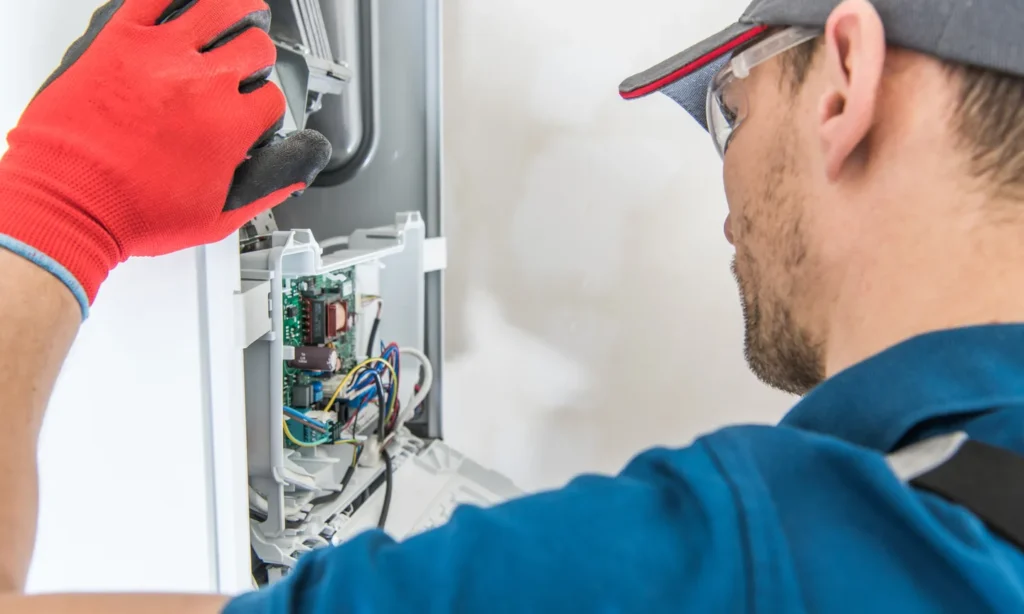
When your furnace breaks down, one of the first things you’ll want to know is how much it’ll cost to get it running again. Several factors influence furnace repair prices, and understanding them can help you make better decisions.
Type of Furnace
The type of furnace you have whether gas, electric, oil, or high-efficiency can affect the cost to fix a furnace. For example, gas furnaces may require more specialized parts or handling, while high-efficiency models often involve complex systems that are more costly to repair.
Severity of the Issue
Not all problems are created equal. A simple thermostat issue will cost far less than a major component failure like a heat exchanger or blower motor. Naturally, the more severe the problem, the higher the furnace repair prices.
Age and Condition
An older furnace is not only more prone to issues but may also require hard-to-find or discontinued parts. Additionally, if your unit hasn’t been maintained well, minor issues can turn into expensive repairs. Age and condition directly impact the cost to fix a furnace.
Replacement Parts
Some parts are more expensive than others. A cracked heat exchanger, for example, can be one of the priciest fixes. The availability and price of parts will significantly influence your furnace repair prices.
Labor and Service Fees
Labor rates vary depending on your location and the HVAC contractor you hire. Urban areas often have higher labor fees, and experienced technicians may charge more. These rates are a major part of the total cost to fix a furnace.
Emergency Services
If your furnace fails during the night or over a weekend, expect to pay extra for emergency or off-hours service. These additional fees can quickly raise your furnace repair prices, especially during peak heating seasons.
Average Furnace Repair Costs in 2025
Understanding how much you might pay for heating system repairs can help you budget and avoid surprises. Here’s a detailed breakdown of typical repair expenses across the country in 2025.
National Cost Breakdown
The cost to fix heating systems can vary widely depending on the issue and location. Here’s a general look at what homeowners can expect to pay:
- Low-end repairs: $100 – $250
(Basic issues like minor electrical problems or sensor cleaning) - Average repairs: $300 – $600
(Most common repairs fall into this range) - High-end repairs: $700 – $1,500+
(Major component replacements or emergency calls)
Regional Differences
Where you live plays a major role in pricing. Here’s how repair costs can differ by region:
- Northeast & West Coast: Higher labor rates push repair costs up by 10–25%
- Midwest & South: Generally more affordable, especially in smaller towns
- Mountain regions & rural areas: Prices can fluctuate due to technician availability
Common Repairs and What They Cost
Here are a few typical repair jobs and what you might expect to pay in 2025:
- Thermostat Replacement:
$120 – $350 depending on model and wiring complexity - Blower Motor Repair or Replacement:
$400 – $900
(Replacement costs more, especially for variable-speed motors) - Ignitor Replacement:
$150 – $300
(Critical for ignition systems in gas models) - Flame Sensor Cleaning or Replacement:
$100 – $250
(Cleaning is cheaper, but replacement may be necessary if corrosion is present)
You may read Why Does A Gas Furnace Stop Working?
Glossary of Furnace Parts & Common Issues
To better understand what might go wrong with your heating system, it helps to know the key components and the common signs of trouble.
Key Furnace Components
Heat Exchanger
This part transfers heat from the burner to the air circulating through your home. If it cracks, it can leak dangerous gases like carbon monoxide.
Blower Motor
This motor pushes warm air through your ducts and into the rooms of your house. A failing blower may cause poor airflow or complete heating failure.
Pilot Light
Found in older gas models, the pilot light ignites the burners. If it goes out or won’t stay lit, the system won’t produce heat.
Thermocouple
A safety device that shuts off the gas if the pilot light fails. A bad thermocouple can prevent the system from starting.
Circuit Board
This is the “brain” of modern furnaces, controlling all electrical functions. Malfunctions here can cause system errors, start-up issues, or total shutdowns.
Typical Problems & Symptoms
Furnace Not Heating
Caused by anything from a dirty filter or faulty thermostat to a broken ignitor or gas valve.
Strange Noises
Banging, screeching, or rattling sounds often point to loose parts, motor issues, or air pressure problems.
Frequent Cycling
If the system turns on and off too often, it might be due to a clogged filter, malfunctioning thermostat, or overheating.
Unresponsive Thermostat
This could indicate dead batteries, faulty wiring, or issues with the circuit board that connects it to the system.
The Price of Replacing and Repairing Furnaces
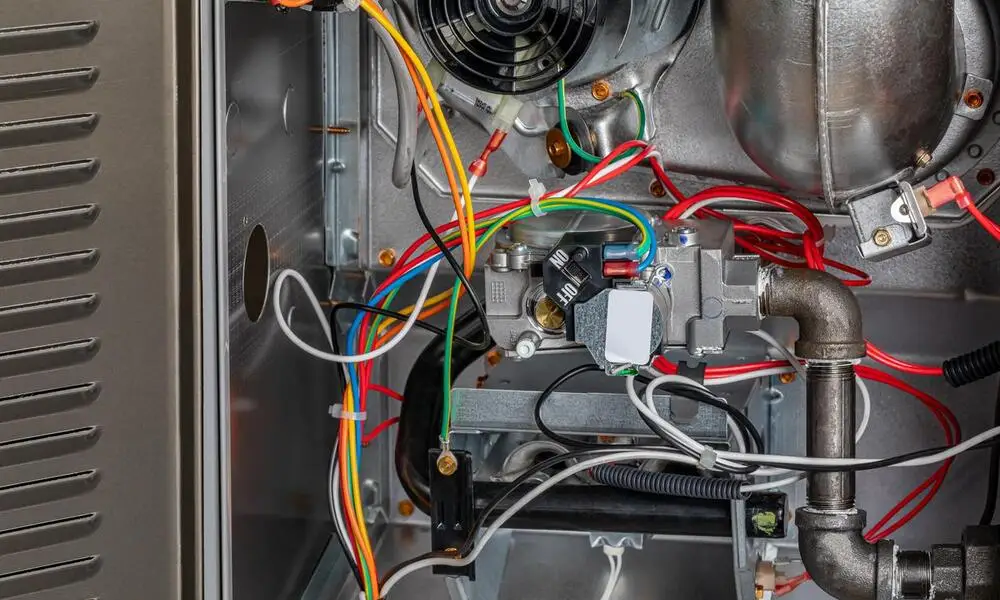
Deciding between fixing your existing unit or installing a new one can be a tough call. Understanding the cost factors behind both options can help you make the right choice for your home and budget.
Repair vs Replacement: A Cost Comparison
- Typical Repair Costs:
Most repairs range from $150 to $900 depending on the part and labor involved. - Replacement Costs:
Installing a new unit can cost anywhere from $3,000 to $8,000 or more, depending on the type and efficiency rating.
While repairs are cheaper in the short term, they may not always be the best investment especially for aging systems.
When Replacement Makes More Sense
Sometimes, it’s smarter to replace rather than repair. Consider replacement if:
- Your unit is 15+ years old
Efficiency drops, and major parts may soon fail. - You’re dealing with frequent breakdowns
Multiple service calls in a single season are a red flag. - Repair costs exceed 50% of the system’s value
This rule of thumb often points toward replacement as the better option. - Your energy bills keep rising
Older systems are less efficient, leading to higher utility costs over time.
Furnace Replacement Costs by Type (2025 Estimates)
Here’s what homeowners might expect to pay for a full replacement in 2025, including installation:
- Electric Furnace: $3,000 – $5,500
Lower upfront cost, but higher monthly electric bills - Gas Furnace: $3,500 – $6,500
Most common choice; balance of cost and efficiency - Oil Furnace: $4,000 – $7,000
Less common, typically used in rural areas - High-Efficiency Furnace (90%+ AFUE): $5,000 – $8,500+
Higher initial cost but better long-term savings on energy bills
Energy Efficiency and Long-Term Savings
Upgrading to a high-efficiency model can reduce monthly heating costs by 20% or more. Many newer models also come with:
- Smart thermostat compatibility
- Better indoor air quality features
- Quiet operation and advanced safety controls
While the initial investment is higher, the lower energy use and potential utility rebates can make up the difference over time.
How to Avoid Furnace Repairs
Keeping your furnace in top shape doesn’t have to be complicated. With regular care and a few simple habits, you can prevent most breakdowns and extend the life of your system.
Why Annual Maintenance Matters
A yearly checkup helps catch minor issues before they turn into costly problems. MileHi HVAC offers thorough inspections to keep your furnace running safely and efficiently.
Easy DIY Tips
- Change filters every 1–3 months
- Clear vents of dust and obstructions
- Check your thermostat settings to avoid short cycling
These quick steps reduce strain on your system and improve airflow.
Schedule Professional Inspections
Even if things seem fine, it’s smart to get a preseason tune-up. Our experts at MileHi HVAC inspect, clean, and test your system to keep it reliable when you need it most.
Watch for Early Signs
Act fast if you notice:
- Odd noises
- Weak airflow
- Frequent cycling
- Higher energy bills
These could mean trouble ahead. MileHi HVAC can diagnose and fix issues quickly.
Maintenance Plans = Smart Savings
Our maintenance plans include regular tune-ups, repair discounts, and priority service saving you time and money long-term.
Trust MileHi HVAC
Whether it’s routine maintenance, a quick repair, or a full replacement, MileHi HVAC has you covered. Book your inspection today and avoid mid-winter surprises.
Conclusion
When it comes to furnace repair costs, many factors play a role from the type of furnace and severity of the issue to labor fees and parts prices. Being proactive with regular maintenance not only helps reduce unexpected expenses but also extends the life of your system.
For accurate estimates and expert advice tailored to your home, always consult a licensed HVAC professional. Ready to keep your furnace running smoothly or explore replacement options? Contact MileHi HVAC today for reliable furnace repair, maintenance, and replacement services you can trust.
FAQs
Are Some Furnace Repairs More Expensive Than Others?
Yes, simple fixes like thermostat replacements tend to cost less, while major repairs involving the heat exchanger or blower motor are usually pricier.
How Can I Tell If My Furnace Repair Will Be Costly?
Frequent breakdowns, older equipment, and the need for rare parts often increase repair expenses. A professional inspection can give you a clearer estimate.
Is It Cheaper To Repair Or Replace A Furnace?
If your furnace is older than 15 years or needs frequent repairs, replacement might be more cost-effective in the long run. Otherwise, repairs are usually less expensive.
Do Emergency Furnace Repairs Cost More?
Yes, after-hours or emergency service calls often come with additional fees, so scheduling regular maintenance can help avoid these costly surprises.
Can I Reduce Furnace Repair Costs By Doing Some Maintenance Myself?
Absolutely! Changing filters regularly and keeping vents clear can prevent many common issues and lower your overall repair expenses.