
The heating and cooling systems are a big investment for any commercial property owner or facility manager. If you run an office building, retail space, warehouse, or restaurant, knowing how long do commercial HVAC systems lasts helps you budget effectively, avoid surprises, and make informed long-term decisions. In this Guide, you will learn what truly impacts system life, how long various commercial HVAC components last, and what you can do to maximize the life of your equipment by Taking Good Care of it.
Understanding Commercial HVAC Systems and Their Role
Commercial HVAC equipment is built for the demands of bigger spaces, heavier use, and a more complex airflow than residential equipment. They control the indoor temperature, humidity, and air quality for single or multi zone and with daily long hour/day usage.
Since these units run harder and longer, their longevity is very much dependent on the quality of design, installation, and maintenance. MileHi HVAC partners with business owners to make sure their systems are appropriately sized and maintained so they can have a predictable service life.
Average Lifespan of Commercial HVAC Systems
The commercial HVAC lifespan is dependent upon the type of system, the application in which it is used, and maintenance history. Typical commercial systems run between 15 and 25 years, but that figure varies widely based on a number of factors.
Certain parts tend to fail earlier, while others will go above and beyond if taken care of. These averages give companies an idea of when they should plan on replacing equipment before unexpected failures disrupt business.
Rooftop Units (RTUs)
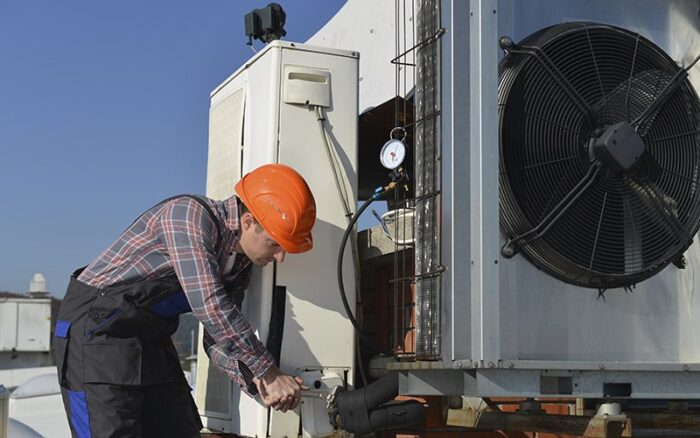
Roof-top units have become standard in commercial buildings, due to their space-efficient design. When maintained properly, these systems have a life expectancy of 15–20 years.
If maintenance is ignored, exposure to the elements, dirt, and temperature changes can reduce their life. We focuses on routine rooftop inspections to prevent premature deterioration of these systems.
Split Commercial HVAC Systems
Split systems also separate indoor and outdoor units, which reduces environmental stress in some areas. The life span of these units typically lasts 20-25 years with proper maintenance.
They last longer because of better air flow and less exposure to the outdoors on the rooftop. But bad installation can lead to a major dip in performance and longevity.
Factors That Directly Affect System Longevity
There is no such stanza where everything in HVAC goes right by chance. Several predictable factors contribute to how quickly a commercial system becomes inefficient and in need of replacement.
Knowing those impacts is invaluable to business owners making informed decisions. We specialize in treating the problems before they become expensive.
Quality of Installation
Good installation is one of the most important factors in how long a system will last. Wrong size, bad duct design, or bad airflow can cause stress on parts from the start.
Even the best systems can fail early with poor installation. MileHi HVAC guarantees that all installations comply with manufacturer specifications and applicable building codes.
Frequency of Use and Load Demand
Commercial systems are also more likely to run longer than residential systems. Restaurants, hospitals, and warehouses are more demanding uses of HVAC equipment.
The more a system operates at a high load, the more quickly its components wear out. This mode of use is eroding commercial HVAC life expectancy in most sectors.
Maintenance and Its Impact on HVAC Lifespan
regular washs are the most important thing you can do to keep a system running longer. Clean filters, balanced air flow, and repaired on time work less on your motors and compressors.
Businesses that pay for maintenance tend to have less downtime,e and their systems perform longer. We offer maintenance plans that are designed to allow you to protect your equipment with the protection of your budget.
Preventive Maintenance vs Reactive Repairs
Preventive maintenance takes care of little problems before they become big ones. This includes inspecting, cleaning, and calibrating.
Repair reactively also generally means after damage has been done. Repair-only systems tend to fail sooner and cost more in the long run.
Seasonal System Inspections
Periodic inspections before the heating and cooling season are a must. These checks prepare you to take on heavy-duty usage.
We strategically schedule inspections to minimize downtime and maximize equipment availability year-round.
Signs Your Commercial HVAC System Is Nearing the End
Even the best operating systems are starting to wear out. Identifying these alarms early allows companies to schedule replacements rather than responding to emergencies.
As systems age, they tend to become less efficient and have difficulty providing a steady level of comfort.
Rising Energy Costs and Reduced Efficiency
Older systems use more energy to deliver the same output. Higher utility bills are often among the first indicators of a system not performing well.
This problem is the same as for the life expectancy of central air unit parts; compressors and coils deteriorate with time.
Frequent Breakdowns and Repairs
When service calls are frequent, the repair costs can be more than the value of the system. Replacing aging equipment is frequently cheaper than continually fixing it.
We help customers make informed repair-vs.-replace decisions based on actual operating data.
How to Extend the Life of a Commercial HVAC System
Though nothing is permanent in this world, appropriate maintenance will buy you a much longer period of service life. Basic maintenance and repairs can add years of dependable performance and delay significant capital outlays.
MileHi HVAC is committed to working with companies to develop long-term solutions that shield your HVAC investment.
Upgrading Controls and Components
Thermostats, sensors, and controls have come a long way and can increase efficiency without having to replace the entire unit. These improvements result in less run time and less system fatigue.
Smart controls assist in load equalization and avoid unnecessary cycling, which increases system life.
Training Staff on Proper System Use
HVAC problems are often caused by use and not mechanical malfunction. Thermostat tampering, closed vents, and aunt’s alerts them not to do as they say behaviours all result in damage.
Training employees on simple HVAC literacy can help avoid preventable issues and contribute to system longevity.
When Replacement Becomes the Smarter Option
Maintenance versus replacement. When the cost of maintenance is more than half the cost of replacement, it is time to consider replacement. This is a function of system age, extent of efficiency loss, and frequency of repairs.
The answer to how long do commercial HVAC systems last allows owners to make this decision proactively, so they can avoid downtime.
Cost vs Performance Considerations
Consider that new products generally have higher efficiency, which translates into lower energy costs and more comfort. These advantages tend to compensate for the installation expenses.
We assists businesses in understanding when it makes sense to invest in replacement versus maintenance of long-term operating costs.
Compliance and Energy Standards
Older systems may no longer comply with current energy codes or other environmental regulations. Upgrading guarantees compliance and peace of mind.
Modern systems also allow an organization to meet its sustainability objectives, which are a growing consideration for many groups.
Why Businesses Trust MileHi HVAC
We know what commercial environments require. Every solution is customised to business requirements, from system design through to ongoing maintenance. Customers can count on us for honest evaluations, dependable service, and strategies that extend the life of your HVAC system without selling you things you don’t need.
Conclusion
Knowing how long commercial HVAC systems last helps business owners plan better, reduce downtime, and control costs. Typical lifespans range from 15 to 25 years, but proper installation, usage, and maintenance make a big difference.
For reliable performance, trust commercial HVAC installation in Denver from MileHi HVAC. With top-quality products, expert guidance, and dedicated service, your system can exceed industry expectations.
Contact MileHi HVAC today to ensure your business stays comfortable, productive, and protected year-round.
Frequently Asked Questions (FAQs)
How often should commercial HVAC be serviced?
Twice annually at a minimum, or more for high-demand applications.
Can maintenance really increase system life?
Yes – Maintenance can add years to the life of systems that run dependably.
Are commercial HVAC systems built to last longer?
They’re designed for tougher use, but also have greater stress.
Which HVAC part is most expensive to replace?
The compressor is generally the most expensive part to repair and replace.
Do newer systems last longer?
Yes, modern lighting systems are more efficient, better engineered, and longer-lived.
How will I know when it needs to be replaced?
Constant fixes, escalating costs, and diminished performance are tell-tale signs.