
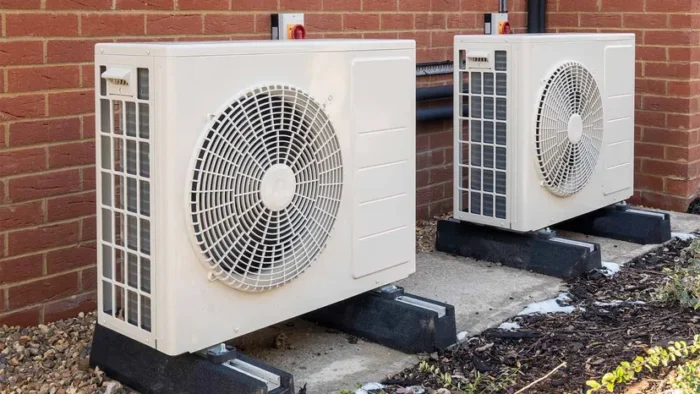
Many homeowners are looking for ways to save on energy bills while keeping their homes comfortable year-round. A heat pump is one of the most efficient tools available for this job because it handles both heating and cooling in a single system.
By learning how does heat pump work, you can decide if this technology fits your home and budget. At MileHi HVAC, we help Denver residents transition to these smart systems to handle the unique Colorado climate.
Understanding How Does Heat Pump Work
A heat pump works by transferring heat from one place to another using a refrigeration cycle. The basic heat pump explanation starts with understanding that even cold air contains some heat energy. The system captures this energy and moves it where needed.
During winter, the heat pump extracts warmth from outdoor air and brings it inside. When summer arrives, it reverses the process by removing heat from your home and releasing it outside. This dual function makes heat pumps versatile for year-round comfort.
The technology behind heat pump how does it work relies on four main parts working together:
The compressor acts as the heart of the system. It pressurizes refrigerant gas, which raises its temperature significantly. This compressed, hot gas then moves to the next stage.
The condenser releases the heat carried by the refrigerant. In heating mode, this happens inside your home, warming the air. The refrigerant cools down and turns from gas to liquid during this process.
The expansion valve reduces the pressure of the liquid refrigerant before it enters the evaporator. This pressure drop prepares the refrigerant to absorb heat again.
The evaporator allows the cold liquid refrigerant to absorb heat from the outside air. The refrigerant warms up and changes back into a gas, ready to return to the compressor.
A switching valve makes heat pumps special. This component reverses the refrigeration cycle direction, letting the system heat or cool as needed. The valve changes which coil acts as the evaporator and which serves as the condenser.
The refrigerant circulates continuously through these components. As it moves, it changes between liquid and gas states, picking up heat in one location and releasing it in another. This heat transfer process uses much less energy than generating heat through combustion.
The Role of the Refrigerant Cycle
To really understand the heat pump how does it work process, we have to look at the liquid inside the pipes. This refrigerant has a very low boiling point. Even on a cold day, there is still thermal energy in the air. The refrigerant absorbs this energy and turns into a gas.
The system then squeezes this gas using a compressor. When you squeeze a gas, it gets very hot. This hot gas travels to the indoor coils. A fan blows air across these coils, picking up the heat and carrying it through your vents. Once the heat is released, the refrigerant cools back down and goes outside to repeat the cycle. It is a constant loop of moving energy rather than burning things to create it.
What Different Types of Heat Pumps Are There?
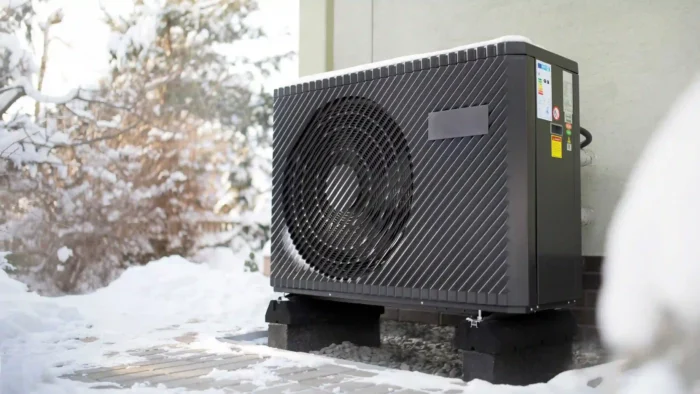
Choosing a heat pump is not a one-size-fits-all process. There are three main varieties available today, and the right one for you usually depends on your property size and your budget.
Air-source heat pumps are the most common choice we see in local neighborhoods. These systems pull heat from the outdoor air and move it inside during the winter. There are two ways they do this: air-to-air systems that blow warm air through your vents, and air-to-water systems that connect to radiators or underfloor heating. They are popular because they cost less to install and work efficiently in most moderate climates.
Ground-source heat pumps (often called geothermal) tap into the stable temperatures found underground. We bury pipes in your yard to circulate a water mixture that absorbs the earth’s natural warmth. Because the ground stays at a steady temperature regardless of the weather, these systems stay very consistent even when the air outside is freezing. While they require a bigger investment upfront for the digging and pipework, the long-term energy savings are excellent.
Hybrid heat pumps are a “best of both worlds” solution. This setup combines a heat pump with a traditional gas furnace. The system is smart enough to switch between the two automatically based on the temperature outside. When it is mildly chilly, the heat pump handles the work efficiently. If a major Colorado snowstorm hits and temperatures plummet, the furnace kicks in to provide that extra boost of heat. This setup offers great peace of mind for homeowners who worry about extreme cold.
Each type has its own strengths. Air-source models are a fantastic fit for most Denver homes. Ground-source systems are a dream if you have plenty of yard space and want the highest efficiency possible. Hybrid units are perfect for those who want a reliable backup plan. At MileHi HVAC, we can help you look at your home and figure out which option makes the most sense for your lifestyle.
4 Key Benefits of Installing a Heat Pump
Switching to a heat pump is about more than just getting a new piece of hardware in your utility closet. It is about changing how your home feels and how much of your hard-earned money goes toward utility bills. Here are four big reasons why we see so many families making the move:
- Lower Monthly Bills: This is usually the first win people notice. Since these systems move heat instead of burning expensive fuel to create it, they use much less energy. In many cases, you can cut your energy usage by as much as 50%. It is one of the best ways to protect your household budget from rising gas prices.
- Two-in-One System: Most homes rely on a furnace for the winter and a separate air conditioner for the summer. A heat pump handles both jobs. This means you only have one system to look after, which saves space and simplifies your life. You only need to schedule one maintenance visit to ensure you stay comfortable all year long.
- Better Indoor Air Quality: Traditional furnaces burn fuel, which naturally carries a small risk of gas leaks or carbon monoxide. Heat pumps run entirely on electricity, so those worries completely disappear. Plus, they provide steady air filtration and do not dry out your indoor air as much as a gas furnace, which is a huge relief for your skin and lungs during a dry Denver winter.
- Tax Credits and Rebates: There has truly never been a better time to upgrade. Under the new 2025 energy standards, Denver homeowners can tap into significant federal tax credits and local rebates. These incentives can take thousands of dollars off the initial cost, making a high-end, efficient system a very smart investment for the average family.
You may read How Often Should a Heat Pump Be Serviced?
Where Do Heat Pump Systems Work Best?
Heat pumps perform optimally in certain conditions and home types.
Climate considerations matter significantly. Modern heat pumps work efficiently in temperatures down to 0°F or lower. Denver’s climate suits air-source heat pumps well, though extremely cold days may require supplemental heating. Ground-source systems handle severe cold better due to stable underground temperatures.
Home insulation affects heat pump performance greatly. Well-insulated homes retain heat better, allowing the system to work less. Poor insulation forces the heat pump to run longer, increasing energy use. Before installing a heat pump, address major insulation gaps in attics, walls, and basements.
Existing ductwork condition influences installation ease. Homes with good duct systems can use ducted heat pumps directly. Ductless mini-split systems work better for homes without existing ducts or for room additions. Both options deliver excellent comfort when properly sized.
Building size determines what equipment you need. Smaller homes may need only one outdoor unit and a few indoor air handlers. Larger properties might require multiple zones or a more powerful system. Professional sizing ensures adequate heating and cooling capacity.
Energy efficiency features enhance heat pump performance. Programmable thermostats optimize operation based on your schedule. Zone controls direct heating or cooling only where needed. These features maximize energy savings and comfort.
Proper installation by qualified technicians ensures your heat pump operates at peak efficiency. MileHi HVAC provides expert HVAC services in Denver, from system selection through installation and ongoing maintenance.
heat pump vs furnace
Choosing between a heat pump vs furnace often comes down to your energy goals. A furnace burns natural gas or propane to create heat. This is effective but can be expensive and less eco-friendly. A furnace also tends to blow very hot air in short bursts, which can lead to hot and cold spots.
A heat pump uses electricity to move heat. While a furnace might feel “hotter” at the vent, a heat pump provides a more consistent and even temperature throughout the day. It runs for longer cycles at a lower intensity. This keeps the air moving and prevents the house from cooling down too much between cycles. For many, the ability to get high-quality cooling in the summer makes the heat pump the winner.
Common Heat Pump Components
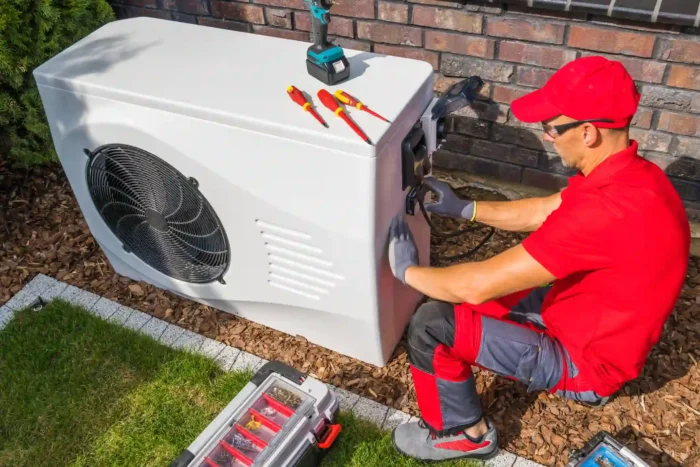
To truly explain heat pump mechanics, we must look at the parts. The outdoor unit contains a coil and a fan. The indoor unit, often called an air handler, contains another coil. These are connected by copper lines filled with refrigerant.
A reversing valve is the “brain” of the system. It changes the direction of the refrigerant flow. This determines whether the system is heating or cooling your home. Another key part is the expansion valve. This regulates how much refrigerant enters the coils. Every part must work together to maintain the right pressure. This simple heat pump explanation shows why the system is durable and easy to maintain.
Why Professional Installation Matters
Installing a heat pump requires precise calculations. At MileHi HVAC, we perform a manual J-load calculation. This ensures your unit is the right size for your specific square footage. An oversized unit will cycle on and off too much, which wears out the motor.
An undersized unit will struggle to keep up on hot or cold days. Our team provides expert HVAC services in Denver to ensure your system runs at peak efficiency. We also check your ductwork to make sure it can handle the airflow required for a heat pump system.
Energy Efficiency Ratings to Know
When shopping for a system, you will see terms like SEER2 and HSPF2. SEER2 measures how efficient the unit is at cooling. HSPF2 measures its heating efficiency. The higher these numbers are, the less electricity the unit uses. In a climate like Denver, looking for a high HSPF2 rating is important because our winters can be long. Investing in a high-efficiency model often pays for itself through lower utility bills in just a few years.
Conclusion
Understanding how does heat pump work is the first step toward a more efficient and comfortable home. These systems offer a smart way to manage your home’s climate while saving money on monthly utilities. If you are ready to upgrade your home comfort, MileHi HVAC is here to help with professional HVAC services in Denver. Contact us today to get a free estimate on your new installation.
FAQs
Can a heat pump really work in the Denver winter?
Yes, modern cold-climate heat pumps are designed to pull heat from the air even when temperatures drop well below zero.
How long do heat pumps usually last?
With regular maintenance from a professional team, most heat pumps last between 15 and 20 years.
Is a heat pump better for the environment?
Since they run on electricity and do not burn fossil fuels directly, they are considered one of the greenest ways to heat a home.
Do heat pumps require a lot of maintenance?
They need about the same care as a standard AC. You should change filters regularly and have a professional check the refrigerant levels once a year.